Fight against graft to become more intense
The three-year nationwide anti-graft campaign reflects the strong determination of the Communist Party of China led by Xi Jinping to eradicate corruption from the roots. In fact, ending corruption in officialdom is a distinctive feature of Xi's governance.
In this regard, the communiqu?? of the Fifth Plenum of the 18th CPC Central Committee in late October will serve as a guideline for not only economic and social development during the 13th Five-year Plan (2016-20) period, but also the country's future campaign against corruption. More efforts will be made to cement the achievements of the anti-graft campaign and devise an effective mechanism to eradicate corruption, as the official document emphasizes. This will also showcase the central leadership's determination to root out corrupt and potentially corrupt officials from the system.
For decades, building a clean and honest government and fighting corruption have been the top characteristics of Party building, but if petty corruption is not tackled seriously, depravity can make inroads into officialdom. That is precisely why Xi Jinping has advocated the "zero-tolerance" rule for even minor offenses within the Party.
The Fifth Plenum's communiqu?? emphasizes the need to get rid of both incompetent and overzealous officials - the former tend to refrain from performing their duties while the latter are often accused of flouting rules to intervene in public affairs.
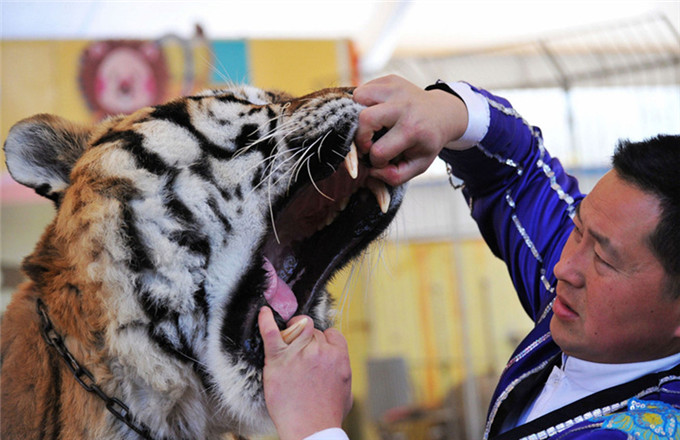
That being said, the anti-corruption campaign should not stop at holding the "tigers", or corrupt senior officials, accountable; it has to take measures to fundamentally change the political environment to put "power in the cage" and further prohibit public servants from attempting to cross the red line.
It is becoming increasingly clear that China will adopt a more systematic approach based on the rule of law to strengthen its efforts to eradicate corruption, with the focus being on the Party's strict disciplinary rules and regulations, and relevant laws. These changes, based on the country's three-decade-long fight against corruption, should play a more prominent role in the anti-corruption strategy.
Specifically, the crackdown on corruption is in line with the leadership's zero-tolerance policy on crimes, however minor, and based on the principle of all humans are equal when it comes to relevant laws and discipline. In other words, all parties involved in the exchange of power for money should be punished according to the law. Selective and tolerant enforcement should never be an option.
Featuring "top designs" which aim to guide, regulate and restrict the use of public power in the spirit of the rule of law, China's future anti-corruption drive will use proper legislation to create a fair, transparent and just mechanism that can nip corruption in the bud.
This will also strengthen the country's institutional efforts to fight corruption, by making the maximum use of the synergies between the country's laws and the Party's disciplinary rules. As the Party's newly revised disciplinary rules and punitive measures emphasize, Party members face stricter supervision and penalties, and the corrupt ones will get severe punishments according to the law, while relatively minor offenders will be dealt with according to Party discipline.
That will require the judiciary and enforcers of Party discipline to strictly abide by the rule of law, understand the inner connections between strict enforcement and judicial justice, and strengthen anti-corruption legislation to put "power in the cage" and make sure it is used for public good.
In a nutshell, it is foreseeable that all parties fighting corruption will have much greater awareness of their supervisory duties and will be more determined to reduce misdeeds in officialdom. And that explains why the intensive anti-corruption campaign has been welcomed by most over the past three years.
The author is the director of the China Anti-Corruption Judicial Research Center in Beijing.