The burial of the dead waste
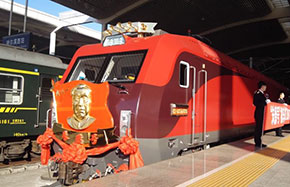
If you are sitting by the window as a train approaches a city, you cannot miss the landfills flying past. Landfills, in most cases, signal the arrival of a major station.
Dumping garbage in landfills and, once they are full, piling it up into hillocks is how Chinese cities dispose of waste. But this process is unsustainable, especially after China has embraced urbanization and consumerism has become the order of the day.
The millenniums-old agricultural country now faces the reality of more than half of its population living in urban areas. Beijing, Shanghai and Guangzhou, three of China's largest cities, now generate nearly 60,000 tons of garbage, apart from thousands of tons of construction and industrial waste, every day.
Although incineration is a better way of disposing garbage - because it can help turn waste into energy - most residents in suburban areas are opposed to such an arrangement, because most of the incinerators are usually built in the suburbs.
Air, soil and water pollution, the suffocating smell and the noise that hurtling trucks carrying garbage and incinerators in operation generate are their main concerns. Local governments' attempts to convince such people of environmental safety have, in most cases, failed.
But people are not to be blamed, because some local governments are more concerned about short-term economic growth than people's welfare and environmental protection. And the serious air, water and soil pollution in China has made people more environmentally conscious.
Every person is responsible for the environment he or she lives in. But it seems that Chinese people do not measure up to this responsibility. Blaming the government for the sorry state of environmental affairs can force the authorities to make some fundamental changes in industrial and public policies to protect the environment. Yet instead of understanding the importance of new environmentally friendly policies like scientific disposal of waste, people oppose them.
On the other hand, people in general do not think twice before throwing away stuff. In many old residential communities in Beijing, a family needs to pay only about 70 yuan ($12) a year for the disposal of household garbage. And even if the government raises the garbage disposal fee, as proposed, by 11 times from next year, the amount would still be far from enough to cover the cost of processing the waste.
Besides, the number of cars has not decreased even after repeated government appeals for people to take public transport. The Beijing municipal government has for long been urging the capital's residents to save water and electricity. But in the past 10 years, Beijing residents have not shown any inclination to change their habits. In fact, they seem even less bothered about water and energy shortage now than a decade ago.
The Chinese government needs to learn from developed countries' experience how to reduce waste generation, instead of just focusing on how best to dispose of garbage. Imposing higher costs - including increasing prices of goods - is a useful leverage to influence consumer and producer behavior. The costs of energy and other resources, and garbage disposal in China should reflect the true values of the commodities and the process, according to the law of demand and supply.
Like in some developed economies, China's manufacturing enterprises should be made to shoulder the responsibility of collecting and recycling or disposing of the residue of their products, because such an arrangement would force them to use more innovative and advanced technologies to make their products more eco-friendly.