Malnutrition suspected in whale beachings
|
Humpback beachings in west Australia began rising in 2008. Jenny Dean provided to China Daily |
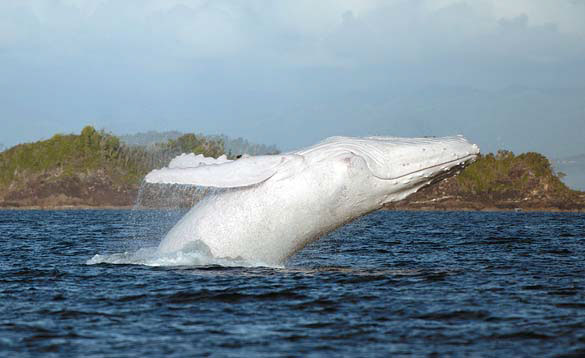
A surge in humpback whale strandings in Western Australia is believed to be linked to poor nutrition, veterinary researchers said on Wednesday.
Autopsies of the whale carcasses - mostly calves and juveniles - found evidence of malnutrition, Murdoch University researcher Carly Holyoake said at a veterinary conference in Perth.
"Postmortem examination and analysis of the fat content of blubber samples revealed most calves were in an extremely malnourished state," Holyoake said.
"Most had very low blubber fat, which is required for energy, thermoregulation and buoyancy.
"One individual also had pneumonia, which would have made it difficult to breathe and may have contributed to its death."
While there were only two or three humpback whale strandings annually on the west Australian coast from 1989 to 2007, there were 13 in 2008, the researchers said.
Strandings then soared to 46 in 2009, falling back to 16 in 2010 and 17 in 2011. Of the humpbacks stranded in 2011, 14 were calves and three were juveniles. All died.
Holyoake said researchers concluded the strandings on Western Australia's southern coast were most likely "due to poor nutrition".
This in turn could be caused by an increase in the commercial fishing of krill, which humpback whales eat almost exclusively in Antarctica, and to the impact of climate warming on krill numbers.
Humpback whales migrate annually between Antarctic waters and the Australian coast, making their way north for breeding in warmer waters during the Southern Hemisphere winter.
But the researchers said some female whales failed to make the journey to Western Australia's north coast before their calves arrived, and many gave birth several thousand kilometers south of known breeding grounds.
"It's likely that a reduction in the abundance and distribution of feed in the Antarctic may have resulted in longer foraging time, which led to a delay in migration times and reduced fat reserves in some pregnant cows," she said.