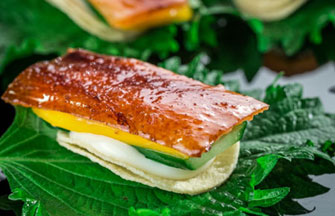
Happy, healthy and herbal
 |
|
Farmers reap yam at Zouping county, Shandong province, on Oct 26. Yam is a major ingredients used in Chinese herbal cuisine. Dong Naidei / For China Daily |
The Chinese have been using herbs in cuisine for as long as they can remember. Food as medicine or medicine in food is nothing new to a civilization that started cooking more than 5,000 years ago. Lin Jing looks at how the tradition is kept alive to this day.
Freezing weather blows in together with the New Year, and it is at this time that Huang Mingjin is busiest in the kitchen preparing Chinese herbal cuisine for her family.
"Chinese herbal cuisine is good for
|
 |
Chinese herbal cuisine has been a tradition in her family for more than 20 years. At first, she had learned the recipe from local doctors. Later, she consulted other professionals about the effects of some of the herbs.
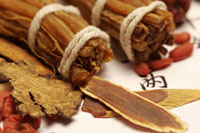
During the season, Huang will spend hours every fortnight stewing mutton and carrot soup, into which she adds wolfberry and Chinese angelica root or danggui (radix angelica sinensis). She says these traditional herbs will warm up the body and help give energy to resist the cold in winter.
Huang is typical of the average Chinese who believes herbal cuisine can build up strength and ward off diseases. She comes from a very long line of believers.
The word yaoshan (herbal cuisine) first appeared in ancient books in the Han Dynasty (206 BC-AD 220), but the actual use of herbs in cookery can be traced back to the Xia Dynasty (21st-16th century BC), when people first discovered that certain wild plants could be used as medicine or as food, or both.
As the Chinese enjoy better standards of life, they are paying closer attention to healthcare and herbal cuisine is enjoying resurgence for both its efficiency as medicine and its palate-pleasing properties.
Compared to conventional medical treatment, herbal cuisine is certainly milder and easier to stomach.
Long Yongquan, the executive Chinese chef with Traders Hotel in Beijing, says herbs used in soup are different from herbs used for medicinal brews.