|
Home>News Center>Life | |
|
|
|
|
|
|
|
|
|
|
|||||||||||||||||||||||||||||||||||||||||||||||||||||||||||||||||||||||||||||||||||||||||||||||||||||||||||||||||||||||||||||||||
|
|
Luxury goods chase Chinese travelers
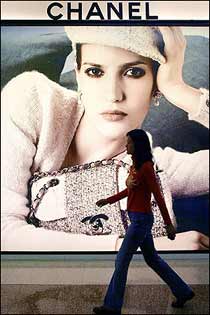
When Chinese shoppers stroll through the doors of a glitzy boutique in Shanghai, the cash registers ring in Hong Kong, London, Paris and New York.
For top luxury brands opening boutiques in Shanghai is as much an exercise in brand awareness, promoting their goods among the moneyed classes most likely to splurge during holidays abroad, as it is about selling in China. While your average Zhou is earning less than 10,000 yuan ($1,200) a year, an estimated 236,000 Chinese had become millionaires by the end of 2004 and were heading on overseas holidays in record numbers. The Prada Group plans to open an "epistore" in Shanghai designed by Dutch architect Rem Koolhaas, who dreamed up the Italian firm's New York and Tokyo flagships. "Our main objective has to be to do business here, but it will also drive the brand and sales in Europe," Prada chairman and chief executive Patrizio Bertelli told Reuters on the sidelines of a luxury goods forum in Shanghai on Thursday. "We need to make a sense of Prada as a well-known brand in the local market. That's the only way to promote it to our Chinese visitors to Europe," he told the forum earlier. Buying abroad Twenty-eight million Chinese travelled abroad in 2004, according to the World Tourism Organization, mostly to Hong Kong and Macau.
Their discretionary spending during trips to Hong Kong averages $5,000 a trip, according to Bain & Co. analyst Claudia D'Arpizio. In Europe, the leaders are Japanese and Russians, who average 1,300 euros per trip, but Chinese are catching up fast. China itself, which now makes up less than 1 percent of the 140 billion euro ($177 billion) luxury goods market, could account for 10 percent of the market by 2010, she said. When Chinese travel, they shop for items that can be 30 percent more expensive in Shanghai than in Hong Kong because of sky-high tariffs on imported goods. Yet retailers reap the benefits of awareness built on stores in China. "In Shanghai, 50 percent of our sales are to mainland Chinese. But in Singapore, it's 68 percent," said Raphael le Masne de Chermont, executive chairman for Shanghai Tang, a Hong Kong-based, Chinese-inspired fashion line in which luxury goods group Richemont owns a majority stake. "Having a Shanghai Tang in Paris or Tokyo gives reassurance to Chinese customers that Shanghai Tang exists outside China." Shanghai Tang plans to open boutiques in the next six to nine months in Tokyo, Milan, Zurich and Miami, adding to its existing 16, he said. "Just as 10 years ago it was important to have Japanese speakers on the sales floor, today it's becoming as important to have Mandarin speakers on the floor," said Paolo Fontanelli, chief financial officer of the Giorgio Armani Group. Bullish in a china shop Opening stores in China is now easier with regulations that allow foreign retailers to establish their own subsidiaries and get their own licenses, said Giovanni Di Salvo, Asia-Pacific chief executive for Marzotto, which owns the Valentino and Hugo Boss labels. "Profitability in Shanghai stores may be lower but they're great for Hong Kong, for the knock-on effect with the Chinese traveller," said Melanie Flouquet, a luxury goods analyst for JP Morgan. She estimated that the Chinese consumer makes up 5 percent of luxury goods sales worldwide. As recently as two years ago, their dollars had been overwhelmingly spent on men's items. But now 45 percent of sales were to the female market, JP Morgan's Flouquet said. Valentino intends set up a store for its women's line in Shanghai in 2006, adding to three menswear stores in China, said chief executive Michele Norsa. "One reason we haven't entered the market earlier is we were able to catch the big spenders as they travelled outside of China," Di Salvo told Reuters. "But now's the time, with the growth in wealth and the change in regulations."
|
|
|
|
|
||||||||||||||||||||||||||||||||||||||||||||||||||||||||||||||||||||||||||||||||||||||||||||||||||||||||||||||||||||||||||||||
|
|
|
|
|||||||||||||||||||||||||||||||||||||||||||||||||||||||||||||||||||||||||||||||||||||||||||||||||||||||||||||||||||||||||||||||||
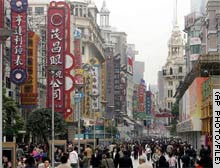 Beijing has granted retailers greater freedom to set up shop in the
mainland, spurring luxury brands such as Prada and Valentino to unveil plans for
flagship stores in Shanghai.
Beijing has granted retailers greater freedom to set up shop in the
mainland, spurring luxury brands such as Prada and Valentino to unveil plans for
flagship stores in Shanghai.