|
Home>News Center>China | |
|
|
|
|
|
|
|
|
|
|
|||||||||||||||||||||||||||||||||||||||||||||||||||||||||||||||||||||||||||||||||||||||||||||||||||||||||||
|
|
China spends US$195b to maintain yuan peg
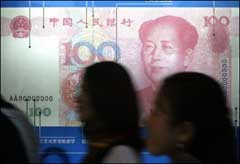
China's central bank spent 1.61 trillion yuan (US$195 billion) buying foreign currency last year to maintain the yuan's peg with the dollar, a rise of 40 percent over 2003.
"The central bank faces comparatively large pressure in the management of money flow and currency control," it said. China keeps its currency pegged to the US unit in a very narrow trading bank of about 8.28 yuan, a level which trading partners, especially the United States, claim gives Chinese exports an unfair advantage. China has resisted foreign pressure to loosen the yuan peg but has promised that it will move over time towards a more flexible exchange rate regime. Balloning trade surpluses and years of foreign investment have flooded the financial system with cash and market players say the central bank has been virtually the only buyer of surplus hard currency such as the dollar. As a result, China's foreign reserves in 2004 soared to a record US$609.9 billion from US$403.3 billion in 2003, with the increase equal to the total intervention amount. Meanwhile, China's US$60 billion current account surplus, up US$25 billion from 2003, and US$61 billion of foreign direct investment (FDI), were additional large sources of foreign exchange, ING economist Tim Condon said in a note. This still leaves US$74 billion dollars (614 billion yuan) of non-FDI capital flows, coincidentally roughly the same amount as the central bank drained from the system through its open market operations. "This is the monetary management issue that we believe will motivate the authorities to reform their exchange rate regime by introducing greater two-way risk some time in the second quarter of 2005," Condon said. In attempt to ease pressure on the currency, China will cut its growing
balance of payments surplus by permitting more foreign currency to leave the
country, state media reported earlier this week. |
|
|
|
|
||||||||||||||||||||||||||||||||||||||||||||||||||||||||||||||||||||||||||||||||||||||||||||||||||||||||
|
|
|
|
|||||||||||||||||||||||||||||||||||||||||||||||||||||||||||||||||||||||||||||||||||||||||||||||||||||||||||