|
Home>News Center>China | |
|
|
|
|
|
|
|
|
|
|
||||||||||||||||||||||||||||||||||||||||||||||||||||||||||||||||||||||||||||||||||||||||||||
|
|
Floods threaten Silk Road grottoes
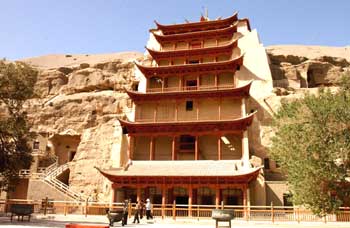
DUNHUANG: Flooding and rain threaten the Mogao Grottoes hidden in Northwest China's vast Gobi desert.
In the paper they also suggest urgent preventive measures be taken to save the grottoes. The report, written by institution researchers, is titled "Explorations of the Reasons Behind the Collapse of the Caves and Cliffs in the Northern Area of the Mogao Grottoes." It's a result of more than 16 years of archaeological, geological and seismological research on the Buddhist grottoes built in the northern area of the eastern side of the Mingsha Mountain, 25 kilometres southeast of Dunhuang in Northwest China's Gansu Province. Situated at a strategic point along the Silk Road, at the crossroads of trade as well as religious, cultural and intellectual influences, the 735 cave sanctuaries in the mountain are famous for their statues and wall paintings, spanning 1,000 years of Buddhist art.
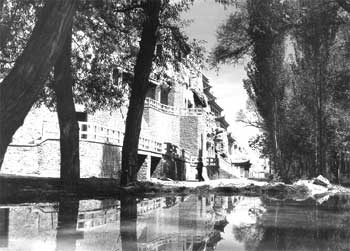
Since 1988, archaeological research has been carried out in the part of the mountain side to the north of the previously discovered caves. "To date more than 200 cave sanctuaries have been found in the area," said Peng Jinzhang, researcher with the academy, archaeological team leader and the first author of the report. Built mostly in the Yuan Dynasty (1271-1368), grottoes in the northern area were the last to be completed in the construction of the honeycomb of caves, which started in the 4th century. Lying to the north of the No 1 Grotto, they have no murals or even gates, and had remained largely unknown before the academy's researchers revealed their archaeological find four years ago. "At first glance there seemed to be nothing in these caves except humps of sands," said Rong Xinjiang, historian with Peking University. Large quantities of precious Buddhist, historical, political and economical documents, some of which can be dated back to as early as the Tang Dynasty (AD 618-907), have been the primary finds in the seemingly obscure caves. They were written in a number of ancient languages, including the Phagspa (Mongolian language written in a script combining Tibetan and Sanskrit), Sanskrit, Tibetan and Xixia, among others. Many of them, especially those in the script of the Xixia (Western Xia) Kingdom that prospered in Northwest China from the 11th to 13th centuries, have remained mysteries. "Unfortunately each of the grottoes, which yielded the important finds, have been damaged," said Peng. The northern grottoes can be divided into six layers from the top to the bottom of the mountain side. "Our research shows a large part of the bottom layer has collapsed due to three major floods that happened in past centuries," said Peng. The collapse of caves in the bottom layer has resulted in the collapse of other caves in the lower layers. "It seems surprising that floods could damage grottoes in the desert, but we actually have floods here every year," said the 66-year-old researcher. Peng first reached the desert 18 years ago from Wuhan, capital of Central China's Hubei Province, to meet his wife, Fan Jingshi, who is also a researcher. "It's a valley here. Whenever it rains, water pours into the Daquan River that runs below the grottoes," he explained. It's possible in the future that a large flood could break the banks and further damage the grottoes, which are fragile already, said the report. The seasonal stormy rains of July and August led to the collapse of grottoes in the upper layers, it added. "We urgently need more water control measures to protect this treasure house of art in the desert," said Peng. |
|
|
|
|
|||||||||||||||||||||||||||||||||||||||||||||||||||||||||||||||||||||||||||||||||||||||||
|
|
|
|
||||||||||||||||||||||||||||||||||||||||||||||||||||||||||||||||||||||||||||||||||||||||||||