Guangdong shows the way


 |
|
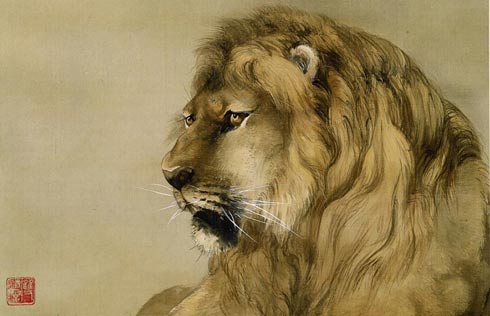
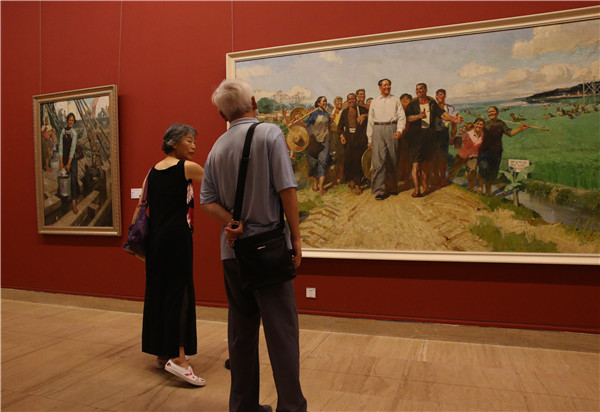
The ongoing Destined to Reform exhibition at the National Art Museum of China in Beijing features more than 550 paintings and sculptures by artists from Guangdong province since the early 20th century. [Photo by Jiang Dong/China Daily] |
An exhibition of hundreds of paintings and sculptures shows how one province shaped Chinese art since the early 20th century. Lin Qi reports.
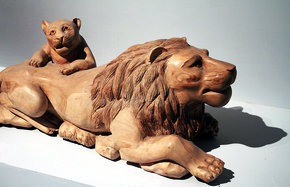
The National Art Museum of China is for the first time using its 17 exhibition halls to trace the artistic evolution and influence of a single province. The Destined to Reform exhibition, now on at the Beijing museum, shows how artists from Guangdong province shaped Chinese art since the early 20th century.
The show features more than 550 paintings and sculptures, which are on loan from public museums, cultural institutions and families of the artists.
The central chamber on the first floor, the most important space in the museum, has ground-to-ceiling photos of 21 prominent members of the Guangdong artist collective.
Guangdong, which occupies nearly one-fourth of the mainland's coastline, was in the forefront of cultural exchanges and social transformations over the past century.
The southern province was known for producing leaders of the 1911 Xinhai Revolution, which led to the end of monarchy in China, and was the forerunner of the country's opening-up and reform.
It was also the birthplace of art reformers who modernized Chinese cultural traditions and was one of the places where contemporary Chinese art first began to flourish.
"For the last 100 years, Guangdong has been the cradle of art. The first-generation artists from the province studied art in Europe and Japan in the early 20th century, and were also among the earliest Chinese to be exposed to art movements across the world," says Xue Yongnian, a theorist from the Beijing-based China Artists Association.
He says that among them were pioneers like Gao Jianfu (1879-1951), who called for reforms in both society and art.
- Museum seeks works' heirs for Nazi-era art trove exhibition
- Belt and Road themed art exhibition held in Palace Museum
- Contemporary art exhibition marks anniversary of China-Japan diplomatic ties
- Special exhibition digs into history of Nanjing city
- Exhibition commemorating woman calligrapher to launch