Tapestries of history


 |
|
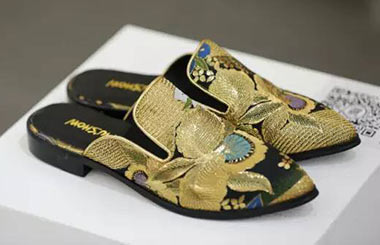
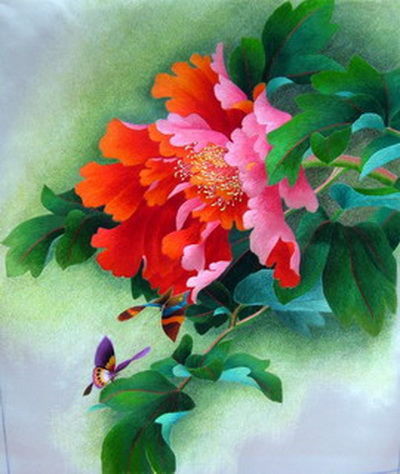
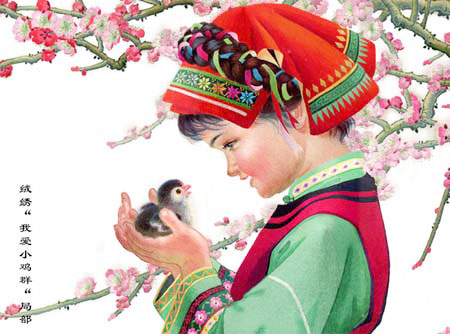
Yue embroidery. Photo Provided to China Daily |
 |
|
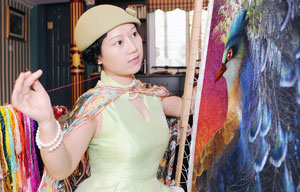
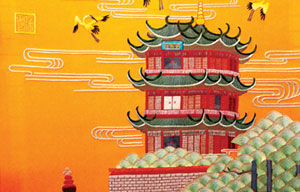
Yue embroidery. Photo Provided to China Daily |
Yue embroidery (Yuexiu)
Among all the embroidery styles of China, the Guangdong style (Yue is the short term for Guangdong) may not be the best, but it is certainly the most special.
It originated from the Li, an ethnic group that lives in the area, and the needlework is traditionally done by men.
Apart from its use of silk and floss, Guangdong embroidery is also known for its creative use of special materials such as peacock feathers and horsehair.
The earliest records of Guangdong embroidery can be traced back to the Tang Dynasty (AD 618-907) and it certainly flourished in the Ming Dynasty.
The largest piece of old Guangdong embroidery found by far is from the Qing Dynasty (1644-1911), which measured 4.2 meters long and 2.8 meters wide.
Compared to Suzhou-style embroidery which was heavily influenced by literati's love of shanshui, or the paintings of mountains and rivers, Guangdong embroidery is more on the people's hope for prosperity and peace, hence the popularity of emblems such as the dragon and phoenix, bats, peaches and other auspicious symbols. In the same vein, the colors are brighter and the palette more varied.
It is said that this style was one of the first to travel overseas, when in 1514, during the Ming Dynasty, Portuguese merchants brought back some pieces as a tribute to their king.
Since then, Guangdong embroidery slowly accumulated an unexpected fan base overseas, mostly from the European courts, which began collecting the pieces.
During the Qing Dynasty, some British businessmen brought their clothes to Guangdong and had them embroidered, starting a trend in which local embroiderers started to incorporate Western-style designs into their pattern books. Exports boomed.
By the time of the Qing emperors Yongzheng and Qianlong from the mid-17th century to the late 18th century, there were workshops catering specifically to the export markets of Europe and the Middle East.
|
 |
 |