 |
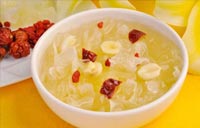
| Healthy food for smoggy weather |
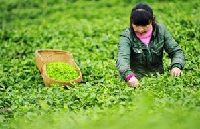 |
| Green tea may help lower stroke risk |
"You can't tell if the so-called expert is trying to sell products or wants attention or simply doesn't have the right information," Zhang Xueliang says, adding that wrong information can mislead audiences and lead to improper treatment of diseases.
A senior Beijing-based producer of TV health programs, speaking on condition of anonymity, says that such programs have gained in popularity for a number of reasons that include an aging society and the country's rapid economic progress.
According to the producer, senior citizens with poor scientific training, form the bulk of the viewing population for health-related TV shows. The elderly are easily overwhelmed by the so-called experts and celebrities presenting health programs.
"The line between a proper program and an advertisement is often unclear," he says, citing the case of filming patients' experiences that could either be true or fabricated to hard-sell a product or service. "Without regulations and punishments, it would all depend on a program producer's conscience whether or not to cross the line."
While the anonymous producer welcomes the new rules that will take effect in 2015, he also hopes that genuine problems of the TV industry will be addressed through regulations, too.
Copyright 1995 - . All rights reserved. The content (including but not limited to text, photo, multimedia information, etc) published in this site belongs to China Daily Information Co (CDIC). Without written authorization from CDIC, such content shall not be republished or used in any form. Note: Browsers with 1024*768 or higher resolution are suggested for this site.
License for publishing multimedia online 0108263 Registration Number: 20100000002731 




 Raymond Zhou:
 Pauline D Loh:
 Hot Pot
 Eco China
 China Dream
 China Face