|
|

G20 London Summit > From Foreign Press
|
EU leaders reject more stimulus plan(Agencies)
Updated: 2009-03-20 11:11 BRUSSELS -- European Union nations on Thursday rejected in unison new spending projects to boost their recession-hit economies, standing firm against massive street protests demanding subsidies and US suggestions to stoke growth with more aid. Despite a million people marching in France and more bad company news hitting Europe's industrial engine in Germany, EU leaders at a summit in Brussels said now was not the time to throw more money at the crisis - at least not until the effects of a first package of euro200 billion set in.
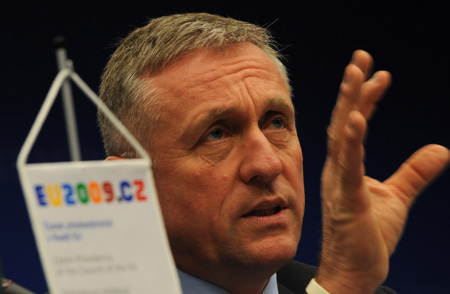
"We are unanimous in our views and we all agreed we are going to be prudent," said the summit host, Czech Prime Minister Mirek Topolanek.
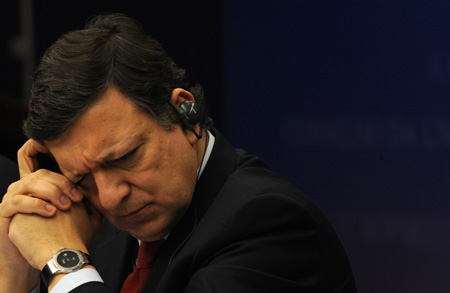
That includes unemployment benefits and job programs - the trusted cornerstones of Europe's vaunted welfare state. Barroso says those are making the difference in Europe, while less regulated economies like the United States have to spend much to start weaving a tighter social safety net. The cautious European approach on government spending stood in contrast to the announcement Wednesday that the US Federal Reserve will launch a bold $1.2 trillion effort to increase the amount of money in the economy by lowering rates on mortgages and other consumer debt.
Topolanek said that around the summit table as the 27 leaders discussed outside pressure "we heard expressions like 'not being dictated to by the United States' or by those who want more fiscal stimulus." German Chancellor Angela Merkel and French President Nicolas Sarkozy argue that excessive public debt threatens global stability and countries must move swiftly to pay off debt when they can. Despite taking no immediate action, the EU leaders sought to prepare themselves in case of bad news later this year. Barroso said he expects EU nations to double a bailout fund for member states in trouble to euro50 billion ($68 billion). Hungary and Latvia have already received euro9.6 billion from the fund, which raises money by selling bonds. Germany opposes a much higher threshold for the emergency fund, arguing it would tempt countries into seeking bailouts when there is no real need. Many member states from central Europe that joined only five years ago are scared, however, that their currencies could plummet further and rating agencies downgrade them - making it more expensive for them to borrow money. |
新和县| 出国| 苏尼特左旗| 徐州市| 仙居县| 盘山县| 门头沟区| 和林格尔县| 航空| 昭通市| 佛山市| 海门市| 鲜城| 辰溪县| 泰顺县| 桃园市| 西峡县| 宣化县| 新龙县| 逊克县| 丽江市| 克山县| 会泽县| 静安区| 贵州省| 鄂托克前旗| 呈贡县| 双辽市| 孝昌县| 吉木乃县| 郸城县| 陆良县| 桦南县| 宁远县| 固原市| 瑞安市| 金堂县| 西乌| 大安市| 安阳县| 武宣县|