CHINA> Sino-Japanese Relations


|
CHINA> Sino-Japanese Relations
|
|
Boosting relations through 'better communication'
(China Daily)
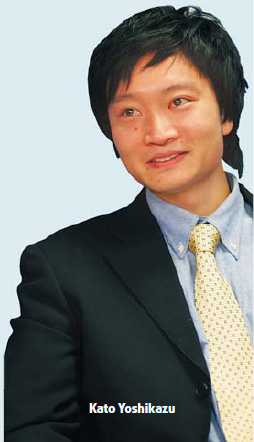
Updated: 2009-11-02 10:27 China and Japan have a very complicated history and the two need more communication to bridge understanding of the past for a brighter future together, particularly among youths, a prominent Japanese commentator of Sino-Japanese ties told China Daily.
"Among the youth, we need communication on different perspectives for a more mature bilateral relationship in the future," said Kato Yoshikazu. "Both nations, from top-level leaders to those at the grass roots, should all make efforts to understand the difference of viewing history and must not take it for granted," said the 25-year-old Yoshikazu, who is also an author and columnist. An active participant in discussions to improve Sino-Japan relations, Yoshikazu is also behind the regular "Jing Forum" between Peking University and Tokyo University. He said he has depended on the openness and dynamics in China to examine the zigzag path of Sino-Japan ties since 2003 when he first arrived in the country. "I am growing with the development of China including my understanding of China and its people, and my observation of the progress of the Sino-Japanese relationship," Yoshikazu said. Ties between the neighboring countries have been dynamic but unstable in the past six years, particularly when it came to the divergence on issues of history, such as former Japanese Prime Minister Junichiro Koizumi repeatedly visiting the Yakusuni shrine that is seen as a symbol of Japan's past militarism, he said.
"During my time in China, I not only found out how China views the history Japan invading China during World War II, but also understood people's feelings about it," Yoshikazu said. The different positions both nations have held toward the history issue pull them apart when the issue gets out of hand, he said. Yoshikazu also explained that Japan actually possesses a very confused mentality as "both victimizer and victim" during the war. Still, Yoshikazu said he was impressed that the Chinese media pays much attention to Japan's domestic affairs as shown by coverage of the country's latest general election. As such, he also called for strengthened efforts from Japanese media to present a more real and current China to Japan. "Media is where the ordinary Japanese get to know China, particularly for youths in Japan, and Japanese media should report more about China and present a real China, by not being biased or subjective," Yoshikazu said. He said Japanese media's representation of China has not been adequate and can be unbalanced without a variety of angles. The media in Japan needs different voices and young people from the two nations need more contact for a stable, rational and balanced future for the two nations, he said. Yoshikazu also cited the upcoming release of Nanking - a Memory Which Has Been Wiped Out - a film about the Nanjing Massacre in 1937, when more than 300,000 people were killed by Japanese aggressors - as one way to bridge the gap in historical issues between the two countries. It is not easy even to talk about the film as Nanjing itself is a taboo subject in Japan and the documentary will surely receive pressure from right-wing elements in Japan, he said. He said similar bridging efforts should be increased and encouraged in Sino-Japanese studies among the youth - from different angles through channels like textbooks, films and people-to-people exchanges. |
宁陕县|
汉川市|
丹东市|
准格尔旗|
鄂托克前旗|
琼海市|
栖霞市|
青州市|
阿拉善盟|
花莲县|
西林县|
辉南县|
怀来县|
北流市|
遂宁市|
桦南县|
册亨县|
富阳市|
沐川县|
巴彦淖尔市|
扬州市|
大理市|
襄樊市|
天水市|
仪征市|
开阳县|
宁安市|
韶关市|
平顶山市|
武夷山市|
奉新县|
攀枝花市|
黄骅市|
赣州市|
文山县|
涞源县|
寿宁县|
汉寿县|
江川县|
河北省|
阿荣旗|