Delivery platforms urged to reduce plastic pollution

The growth of takeout food deliveries provides customer convenience, but also poses an eco-threat, as Zheng Jinran reports.
On workdays, Ma Rong, a 25-year-old white-collar worker in Beijing, usually orders takeout at lunchtime, especially on hot summer days, to avoid crowded restaurants and save time.
"We don't have a canteen or time to cook when working, so we have to rely on takeout," she said.
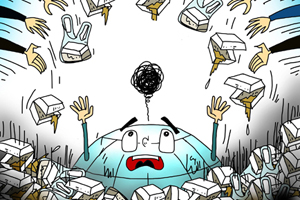
Easy access to the internet and efficient delivery mean a growing number of people are taking advantage of takeout services. While these services bring convenience, the nonbiodegradable plastic bags and boxes used to wrap and deliver the food are damaging the environment, while mass provision of single-use wooden chopsticks is depleting natural resources.
Data released in August by the China Internet Network Information Center show that between January and July, 295 million people in China ordered takeout via the internet. In December 2015, the number was 114 million.
As a result, the takeout sector has seen explosive growth, with the number of domestic users rising by 2.6 times in just 18 months, according to the center, the national organization for online businesses.
Moreover, the surge is set to continue, according to Jiang Junxian, head of the China Cuisine Association. Speaking at the opening ceremony of the first forum on takeout services on July 1, Jiang told the audience that 345 million people are expected to order takeout in 2018.
In addition, people are also likely to place orders more frequently. According to data compiled by ele.me, a leading supplier of takeout food, 66 percent of those who used the company's services last year will place one order a week this year.
Rising public concern
However, what's good for business isn't always good for the environment, and public concern is growing.
"On average every order includes at least four plastic bags and boxes to pack the food, plus a set of disposable chopsticks, spoons and napkins," Ma said, adding that the materials inevitably end up in the trash can.
"I know that plastic contaminates the environment but there's no alternative because restaurants don't use biodegradable bags."
Models devised by the Green Volunteer League, an environmental NGO in Chongqing, present an alarming picture of consumption and pollution in the sector.