Influence, numbers should work for women
Hillary Clinton lost the US presidential race last year.
This year, Park Geun-hye, the first female president in South Korea, was removed from power over corruption charges. Myanmar's Foreign Minister Aung San Suu Kyi came under fire for her country's handling of the Rohingya situation. In India, J. Jayalalithaa, a popular leader and state chief minister, died in office due to ill health.
Clearly, female politicians have had it tough in recent times.
So, when 59-year-old Carrie Lam became the first female chief executive of Hong Kong earlier this week, some saw it as adding to women's representation in Chinese politics.

While the country has the largest number of female entrepreneurs in the world and Chinese women make up one-fifth of the total female population on the planet, more needs to be done to increase their numbers in policymaking. And, China isn't alone in this. None of the major economies figure on the top list of countries with sizable proportions of women in national assemblies.
Of course, there are complexities across geographies. In relatively smaller countries in Africa and Europe where there are quite a few women in legislative bodies, there aren't enough in leadership roles. Then, in some deeply patriarchal societies in Asia, for instance, a few women have held top jobs in government for long.
The ideal mix would be influence and the numbers.
In China, female middle-ranking, senior professional and technical personnel accounted for more than 44 percent of that population (in millions) in 2013.
In a report the same year, Xinhua News Agency said, there were 699 female deputies to the National People's Congress of a total 2,987 members - the highest since the NPC was formed in 1954. According to a Chinese newspaper in 2015, among the 396 members of provincial Party standing committees, 34 were women.
Lu Shizhen, a veteran sociologist in Beijing, told me in January that there's a need to include more women in the Party's village committees because their participation would make a difference in the lives of the millions of children of migrant workers "left behind" in rural China. Today, it is around 15 percent.
Such measures will likely bear fruit in future.
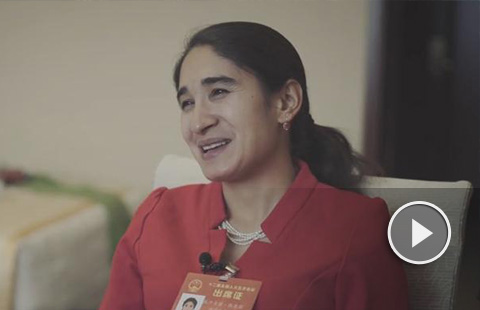
Earlier this month, during the country's top annual political and legislative meetings, dubbed by media as the "two sessions," Tie Feiyan, among the country's youngest lawmakers, told reporters she has been campaigning for the rights of such children. The native of Southwest China's Yunnan province is 25 years old.
Some other female NPC deputies said they also discussed the enhancement of women's roles in poverty alleviation and gender equality at the sessions.
Perhaps China will someday have a woman in the Party's highest decision-making body, the Standing Committee.
Postscript: International Women's Day was celebrated on March 8, but the date has lost its right relevance. In parts of the world, it is just an occasion for vendors to sell all things pink!
Contact the writer at satarupa@chinadaily.com.cn
(China Daily 03/31/2017 page2)