New diplomatic vehicle regulation increases oversight
China is beefing up efforts to better manage diplomatic vehicles with the recent release of a new regulation.
The regulation, jointly promulgated last month by the Foreign Ministry and other several ministries, will for the first time control the total number of such vehicles, Foreign Ministry spokesman Geng Shuang told a news briefing on Friday.
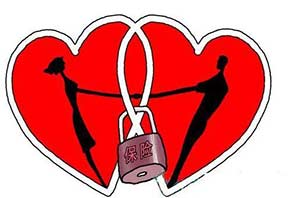
Applications for these vehicles will be approved individually and the owners are required to buy third-party liability insurance for an insured amount of at least 1 million yuan ($147,000), the regulation says.
The number of diplomatic vehicles has surged amid China's opening-up, which has drawn a growing number of diplomats and larger staffs at international organizations, Geng said.
Under the regulation, new license plates will replace the old by May 1, Geng said. On Monday, the Laotian embassy received the first new plates. Previously, diplomatic license plates had the Chinese character for ambassador followed by numbers. Now the order is reversed, and the character is white instead of the former red.
The regulation allows ambassadors to register two such vehicles for private use. Other diplomats may register only one. Administrative and technical staff at diplomatic missions can register only one vehicle per household within the first six months of their terms of office in China.
Seven situations are listed in the regulation that would deprive the vehicle of diplomatic status. For example, a diplomatic vehicle loaned to someone who is not a diplomat forfeits its immunity privileges.
In addition, traffic violations will no longer be condoned as the ministries will closely oversee the purchase, use and traffic law compliance of these vehicles, Geng said.
The new regulation comes against the background of the long struggle to ease traffic jams in Beijing, where one-fifth of the more than 4 million vehicles in the city are restricted from the roads between rush hours on work days, said Sun Lijun, a professor of transportation at Tongji University in Shanghai.
Moreover, the recurrent smog in northern China has government promoting policies that limit emissions and help to improve air quality, he added.