China strengthens cultural heritage protection
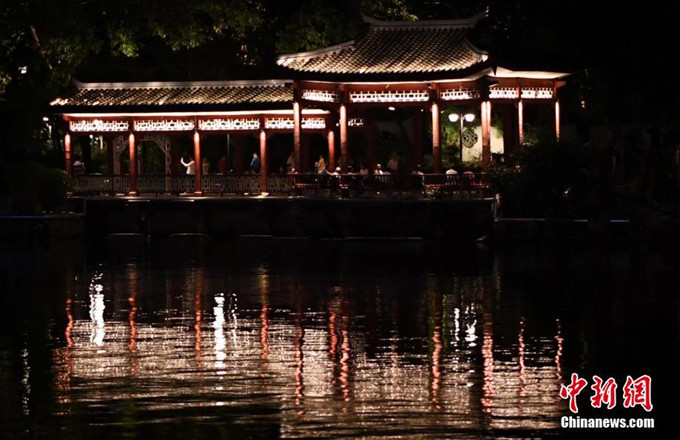
HANGZHOU - Mao Zhaoxi takes a stroll every day around the historic block along the Grand Canal in East China's tourist city of Hangzhou. A decade ago, the 80-year-old's protest prevented the historic area from being pulled down.
"We should not sacrifice cultural heritage in the name of urban construction," said Mao, former head of Zhejiang Provincial Cultural Relics Bureau.
Chinese people started to dig the 1,794 km-long Beijing-Hangzhou Grand Canal in 486 BC and finished the project in 1293. It is the world's longest artificial waterway, which goes through six provinces and municipalities.
An application for the canal to gain UNESCO World Heritage status is due to be submitted, the local government said.
The historic Qiaoxi block on the canal's west bank, which attracts both locals and tourists, is a witness to the waterway's two-thousand-year-long history.
China has made extra effort in protecting its cultural heritage, both unmovable and intangible ones, in the past decade during its rapid urbanization process. Unmovable cultural heritages include archeological sites.
According to statistics from the latest national archaeological survey conducted from 2007 to 2011, the country has more than 760,000 registered unmovable cultural relics and 2,384 state-owned museums holding 28.6 million relics.
In May, the State Administration of Cultural Heritage added 1,943 unmovable cultural relic sites to the list of key areas that need protection, taking the total number of sites on this list to 4,295.
Reviewed by more than 130 experts, the newly added sites, in Shanxi, Henan, Hunan, Hebei and Jiangsu provinces, contain 795 pieces of ancient architecture and 516 ancient ruins as well as stone inscriptions and outstanding modern architecture.
But not all cultural relic sites are well preserved.
"The Liangzhu Archaeological site was like a battlefield in the 1980s as the area was unpreserved and shops were erected nearby. Stones quarried on the mountains were transported to Shanghai to build skyscrapers," said Yan Wenming, professor at Peking University.
Not until 2001 did Zhejiang province carry out regulations to protect the site that dates back 5,000 years, close quarries, and move national roads farther away from it.