|
|
Nation to recognize brain death
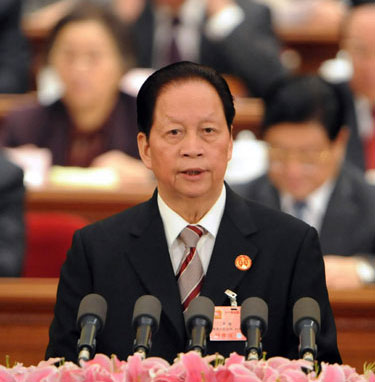
By Shan Juan (China Daily) Updated: 2008-03-08 11:07 The medical definition of brain death will be adopted in China, possibly from next month, Vice-Minister of Health Huang Jiefu said on Friday. Huang, who is a liver transplant specialist trained in Australia, and also a member of the CPPCC National Committee, was speaking on the sidelines of the ongoing CPPCC session in Beijing. The concept of brain death emerged in the 1960s and was defined as the irreversible end of all brain activity. Acceptance of the brain death definition is internationally regarded as an advancement for science and society, Huang said. "It will also play a role in lowering the country's medical bill," he said. However, the traditional and dominant Chinese view dictates that, "life goes on until the last breath and until the heart stops beating". This is an obstacle to the wider application of the concept of brain death, Huang said. In 2003, the Ministry of Health issued official criteria for defining brain death and set procedures for its clinical practice. To date, about 300 people in China have been declared by doctors as brain dead, Huang said. Seventy of them donated their organs and tissue. In many developed countries, organ donation is carried out at the onset of brain death, as at a maximum of 15 minutes after the cessation of heartbeat and breathing, organs become irreparably damaged. Huang said the healthy development of a human organ transplant system requires consensus on and full recognition of brain death. Without such recognition from health authorities, medical workers and the public, there is little possibility for the introduction of a legitimate and feasible mechanism for organ donation, Huang said. Facing a current shortage of donors, medical experts expect an increase if brain death is adopted, although a law on the subject is unlikely, Huang said. He said the China Organ Transplant Committee, which comprises officials from the Ministry of Health, members of the Red Cross Society of China, international transplant experts, medical ethics specialists, lawyers and a third-party panel representing patients in need of transplants, will hold its fourth working meeting next month. Huang heads the committee, which was established in 2006. An amendment to China's first regulation on organ transplant, which took effect in May last year, will be released at the meeting, he said. The controversial "cross renal transplant", which involves two families sharing donors will be interpreted under the amendment, he said, adding that this kind of agreement is universally accepted. Under current regulations, recipients can accept organs only from their spouses, blood relatives or people with whom they have a proven close relationship. "The key is to make sure it is a genuine cross donation, and not business," he said. |
|