|
|
Lessons in Chinese democracy
By Ian Morrison (China Daily) Updated: 2008-03-06 07:23
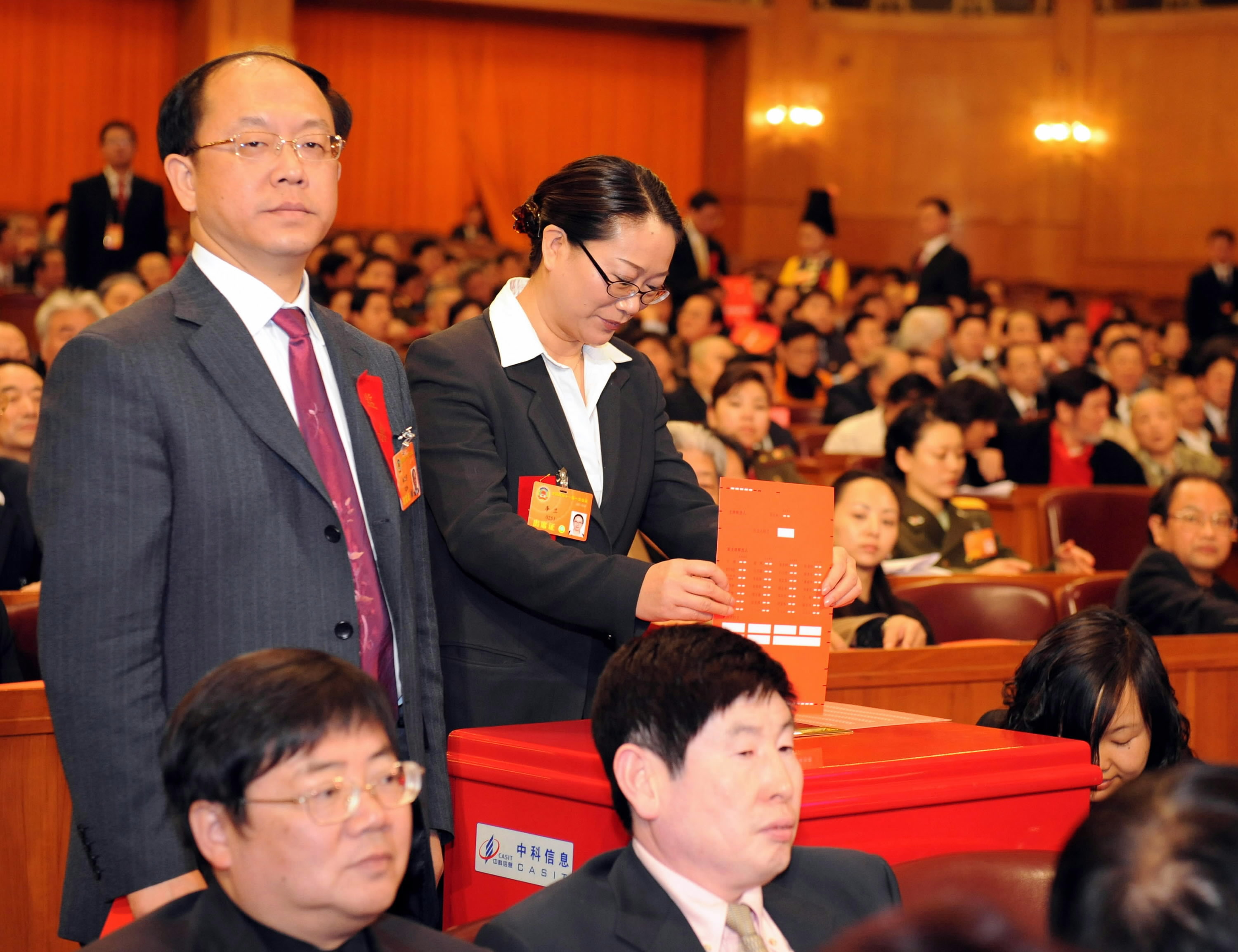
The term democracy is used and abused so often in the world today, with the anti-China lobby keen to contend it is unheard of in this country. The question we should ask is, does democracy exist in China? I would argue that it does. But what someone in Berlin, Baltimore or Beijing regards as "democratic" may be different. China's system of people's congresses and advisory bodies is one that has developed as a result of this nation's unique conditions, just as political systems in, for example, the United States or the United Kingdom - one having a directly elected president and the other being a constitutional monarchy - have developed according to their own specific historical circumstances. What I have learned in China is that, as a proudly independent nation, it does not develop "models" for others to copy and does not expect others to try to impose their "models" on it. What China does believe is that all nations should have the wherewithal to follow their own paths of development and run their affairs in the ways they see fit. There is no "one-size-fits-all" political system that can be imposed anywhere regardless of circumstances. Britain's experiences trying to impose the "Westminster model" on former colonies across Africa prove this approach simply does not work. And many aspects of China's political system remain relatively unknown in the West, such as democratic elections, contested ballots and the existence of nine political parties. In my time in China I have witnessed two elections for deputies to the district people's congress (the highest level to be directly elected) where I live - Beijing's Chaoyang district, with voters going to the polls to elect the district legislature for an area that is home to some 2.3 million people. And from what I have seen, these elections are no mere formality. There is a long process for selecting and nominating candidates in the run up to polling day. This process, in which meetings are held at the grassroots level to discuss the merits of the nominees, is accompanied by publicity urging the greatest possible participation in the process and the maximum possible turnout on polling day, with the latest election, on Nov 8, 2006, seeing two of my colleagues at China Daily - neither of them members of the Communist Party of China (CPC) - stand as candidates. In fact, since reform and opening up were launched almost three decades ago, and the work of the eight non-Communist parties resumed, they, and people who belong to no party, have been playing a growing role in Chinese political life. Two non-Communists now serve as cabinet ministers, more than 31,000 work as officials at or above the county level and more than 60 percent of the current members of the nation's top advisory body - the 11th CPPCC National Committee - are non-CPC members. One way to improve the quality of democracy in China would be to enhance the role played by units of the CPPCC - particularly at the grassroots level - making them more representative of the communities in which they operate. It would also help to encourage more public discussion in order to ensure that the proposals made by these bodies better reflect public opinion. Making officials more accountable is also important. It should generally be made easier for members of the public to approach the officials and civil servants who, after all, are working on their behalf. Ian Morrison is a senior copyeditor with China Daily (China Daily 03/06/2008 page7) |
|