CHINA> AfDB Annual Meetings


|
CHINA> AfDB Annual Meetings
|
|
African Development Bank forges ahead with reforms
By Joachim Arrey (China Daily)
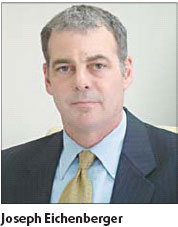
Updated: 2007-05-15 07:02 The African Development Bank is undergoing reforms. African Development Bank Group Vice-President Joseph Eichenberger shares his views on it. Question (Q): The bank is currently being reformed. How far have you gone with this process? Answer (A): I would say that we have gone quite far, but also not far enough. We have traveled a long way and there remains a long way yet to travel. Positive change is underway in a whole host of critical areas in the bank, and a solid foundation has been laid for a higher degree of success for the bank and Africa in the future. But any institutional reform process, be it in the African Development Bank or a private sector company, or a government agency, can't be a static thing. Healthy reform is a dynamic thing that needs to adapt as circumstances change, as new opportunities arise and as unanticipated challenges appear. In our case, we now have in place a new structure, we are improving internal processes, and we have a very significant recruitment drive underway. All of this is necessary and healthy. The challenge for us going forward will largely revolve around the very hard work of implementation - ensuring synergy among the different elements of reform, ensuring that everyone in the bank is involved and contributing. Responsibility starts with top management, but it includes everybody. I am hugely optimistic about all of it. Q: What type of changes are we expecting from the ongoing decentralization? A: Successful decentralization is critical. We, therefore, expect a great deal from it. But, perhaps more importantly, the regional member countries that look to us for assistance and support expect a great deal. We expect and are confident that we will have a range of essential improvements. We expect higher quality in the services we provide on the ground. We expect a more visible and more engaged bank, with excellent people having the freedom to make those day-to-day decisions that can make the difference between a program moving well and a program moving poorly. It will help make the bank a more influential and dynamic participant in the larger donor community. Deeper engagement with the private sector is a central part of our strategy going forward. Q: How is the decentralization matching with alignment and development effectiveness? A: Alignment between decentralization and our larger strategy occurs through two key channels. The first is delivering results. African countries and all of our shareholders are demanding demonstrable results; they are right to do so, and it is our responsibility to deliver them. That means services and operations that they value are provided on a timely basis and with the highest quality and tracked effectively so that we know what we are accomplishing. We have a large, complex and often challenging portfolio that we have to manage more actively, and this means more than just missions from Tunis. It means good people, effectively engaged. The second major piece of the picture is having the greater focus and selectivity that we will need to accomplish this. This means a selective pipeline of operations, in areas where our skills match country priorities, coordinated with and complementary to the work of others, and producing demonstrable excellence. An effective field presence is critical to achieving this. So field offices are a critical instrument for alignment between our aspirations and commitments on the one hand, and the actual results we produce on the other. Q: What is the strategic vision of the African Development Bank Group? A: At the highest level, it is for the bank to be a significant and valued contributor to widening the scope of opportunity in Africa. Investing in the inherent dignity and promise of the African people. Helping to build the basic drivers of equitable and inclusive growth and development. I suspect that there is no disagreement about this. As you know, President Kaberuka has appointed a high level panel of deeply experienced, deeply committed people to provide some advice on the Bank's longer-term strategic directions. That work is well underway and will be very important as we prepare a new medium-term strategy for the bank, to be delivered later this year. It will be a vehicle to engage all of our member countries and will include, very importantly, a distillation of some of the larger themes the president has been articulating. Sharper focus on the drivers of growth and opportunity, including basic infrastructure, deeper regional integration, a more attractive climate for private investment - these are all areas where we are well positioned to make a greater contribution. And these of course are the priorities that African countries themselves have been articulating to the bank. Q: Recently, there has been a lot of discussion about fragile states. What is the Bank's definition of fragile states? A: It is a sad reality that Africa is home to many fragile states. And the reality for a pan-African institution like the bank is that we must find ways to work effectively in all countries in Africa, including middle-income countries, the poorest countries, countries that are on the road to renewal, stable countries and fragile countries. We have been working very hard to do that. Our perspective is that fragility occurs across a kind of continuum, with different circumstances from country to country. There are some in a state of marked deterioration, where key trends are negative. Elsewhere, there are circumstances of active conflict, with a breakdown in the government's capacity to perform basic functions - a crisis situation. There are still other countries emerging from conflict, having resolved key political differences and committed to stability, renewal and creating new opportunities for their people. Finally, there are countries that have moved out of this post-crisis stage, where trends are clearly positive and conditions are improving for sustained growth and development. In broad terms I would say that this categorization covers most circumstances of fragility in Africa, and the picture is complex and varied. In each of these four cases - marked deterioration, active conflict, post crisis, and renewal - there are different challenges requiring different kinds of engagement by the bank. But engagement is essential, even as the specifics differ from case to case. We are working on a more detailed new strategy for deeper engagement in fragile states, which we will present to our Board later this month. (China Daily 05/15/2007 page27) |
彰化市|
文登市|
西充县|
富宁县|
达尔|
丹凤县|
宜君县|
洪雅县|
鹤峰县|
龙海市|
鹤岗市|
曲麻莱县|
渭源县|
祁阳县|
固镇县|
吐鲁番市|
旬邑县|
荣成市|
古交市|
弥渡县|
灵宝市|
玉龙|
十堰市|
北京市|
四会市|
铁力市|
永寿县|
徐州市|
通渭县|
公主岭市|
宣威市|
孝义市|
蓝山县|
台东市|
鄱阳县|
靖边县|
平乡县|
惠安县|
北海市|
贵德县|
抚顺县|