Comments
  Print
Print  Mail
Mail  Large Medium Small
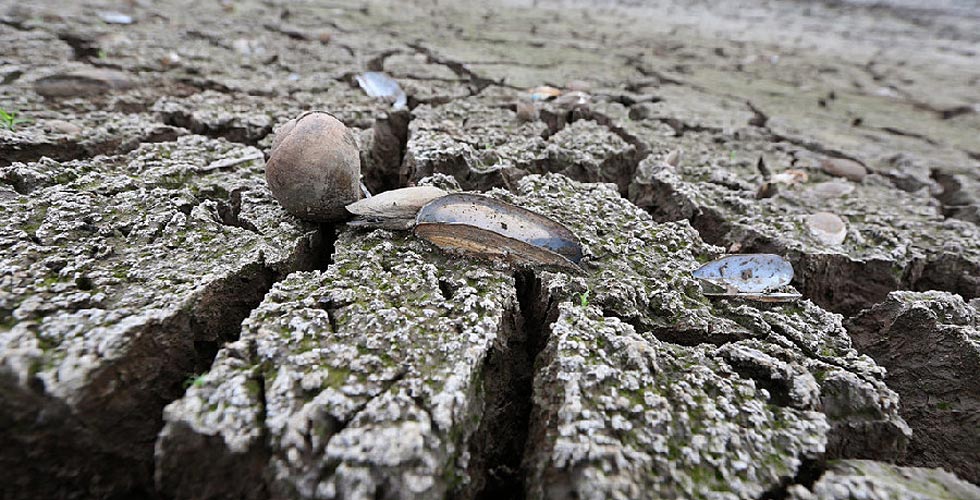
Climate change has increasingly drawn international attention in the past few decades, even as countries strive to set up multilateral negotiation mechanisms to discuss and cooperate on the urgent issue.
Earlier, climate change negotiations were mostly on government levels, but more and more research institutes, business representatives and non-governmental organizations (NGOs) have begun participating in international negotiations.
The United Nations Framework Convention on Climate Change (UNFCCC), an international environmental treaty, came into effect after the Earth Summit held in Rio de Janeiro in 1992 and was followed by the Kyoto Protocol in 1997.
Regarded as the most authoritative, universal and comprehensive international framework for combating climate change, the Protocol aims to reduce emission of green house gases globally. It also laid a legal foundation for international cooperation on climate change.
This year's United Nations Climate Change Conference to in Copenhagen, Denmark is expected to work out another global climate agreement instead of the Kyoto Protocol, which expires in 2012.
After the setup of UNFCCC, a lot of other international mechanisms were founded to address climate change issues.
The Group of Eight (G8), one of the most important international forums for dealing with global issues, put climate change on its agenda for the first time in 2003 in France.
At the 2005 G8 meeting in Gleneagles, Scotland, two significant documents were signed including a political statement and an action plan covering climate change, clean energy and sustainable development.
The G8+5 Climate Change Dialogue was launched before the Gleneagles Summit and involved legislators from G8 members, heads of government of the five leading emerging economies - Brazil, China, India, Mexico and South Africa - and international business and organization leaders.
The G8+5 Climate Change Dialogue is intended to provide an informal discussion platform for a wide range of stakeholders with high interests in an elaborated future climate regime.
The first 'Major Economies Meeting' (MEM), created by Bush and held in Washington in 2007, is now renamed 'Major Economies Forum on Energy and Climate' (MEFEC).
The MEFEC, last week, was attended by 17 economies responsible for more than 80 per cent of the global green house emissions, and is regarded as an important stepping stone on the path to the UN Climate Change conference in Copenhagen in December.
The MEFEC also aims to lay the groundwork for an international agreement to slow climate-changing pollution, when the Kyoto Protocil expires in 2012.
The Asia-Pacific Economic Cooperation (APEC) and the World Economic Forum have also put climate change on their agenda.
CBW News
(China Daily 05/04/2009 page3)

 Night views of Harbin through the lens
 Tibetans take train home after pilgrimage or travelling
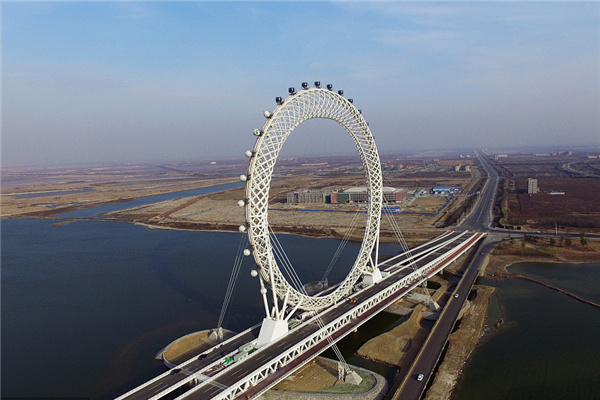 World's largest shaftless Ferris wheel built in China
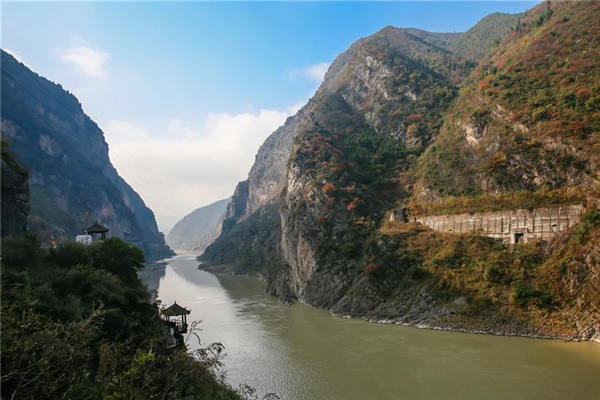 Ancient cities to be connected by Xi'an-Chengdu high-speed railway
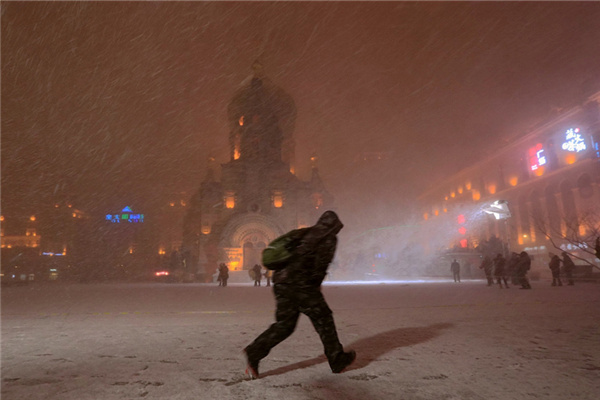 Snow turns Harbin into winter wonderland
 Reed Catkin Festival held in Wuhan
 Is it a building or a bookshelf?
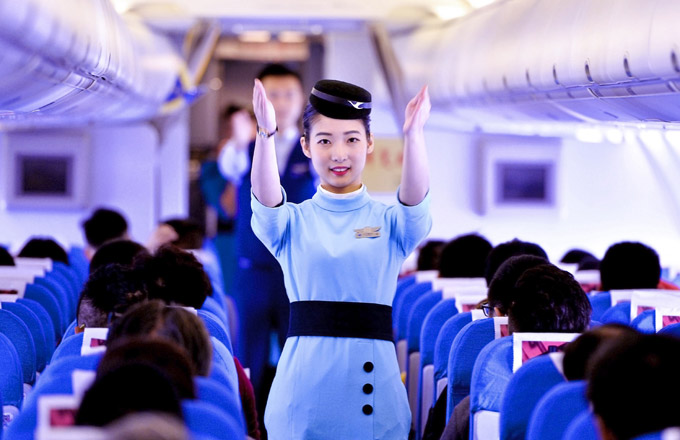 First flight
 Polar icebreaker Snow Dragon arrives in Antarctic
 Xi's vision on shared future for humanity
 UN's top environmental honors go to three in China
 German trains collide near Duesseldorf, several people injured
 China beats Germany 7-4 in men's curling Olympic qualification
 Bayern beat Paris Saint-Germain 3-1 in UEFA Champions League


Copyright 1995 - . All rights reserved. The content (including but not limited to text, photo, multimedia information, etc) published in this site belongs to China Daily Information Co (CDIC). Without written authorization from CDIC, such content shall not be republished or used in any form. Note: Browsers with 1024*768 or higher resolution are suggested for this site.
License for publishing multimedia online 0108263 Registration Number: 20100000002731