China's trade gets big boost from Initiative


Economies involved in the Belt and Road Initiative have taken on an increasingly important role in China's import and export sectors in the past two decades, a recent report showed.
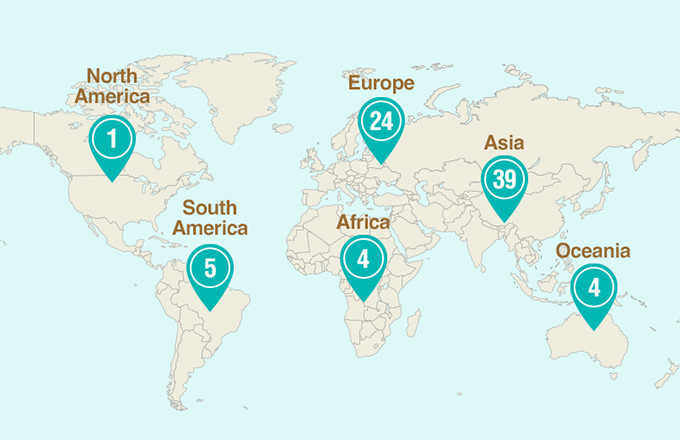
Meanwhile, China has become the largest trade partner for 25 countries involved in the initiative, and the second- or third-largest trade partner for 19 of them, according to a report published on Wednesday by the Shanghai Academy of Social Sciences.
Trade last year between China and five countries involved in the initiative including Malaysia, Vietnam, Thailand, Singapore and India exceeded $70 billion, indicating that China and these countries constitute a part of the global value chain system, according to the report.
Nearly 27 percent of China's foreign trade last year came from countries and regions involved in the Belt and Road Initiative, and the proportion was almost double that two decades ago.
From 1995 to 2016, the total value of imports and exports between China and the countries grew from $38.43 billion to $978.28 billion.
China maintained a trade surplus with 52 countries involved in the initiative last year, and the largest surplus was with India, which reached $47 billion.
The report said the surplus mainly came from the exports of medium and high-tech products as India has a greater demand for imports of such products in the process of promoting industrialization.
China had a trade deficit with 12 countries, with the largest trade deficit last year of $10.9 billion with Malaysia, said the report.
"It's mainly because China needs to import large quantities of intermediate goods, especially electronic information products, from Malaysia and other countries in the East Asia regional industry chain and then export them after assembling and processing," reads the report.
Nearly 37 percent of China's imports last year from the countries were primary products, said the report, as China has a high demand for energy while many of those along the routes of the initiative are resource-based exporters.
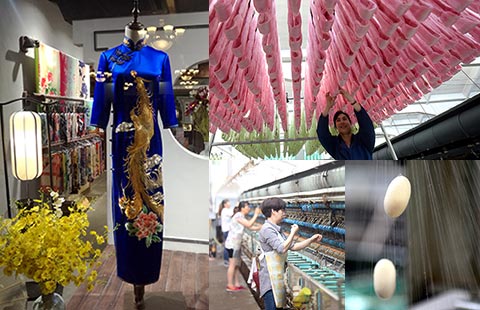
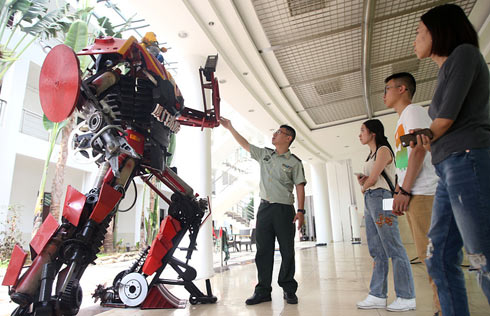
Concerning exports, China mainly exported low-tech products, such as apparel and textiles, which accounted for 32 percent of the total, and medium-tech products, such as mechanical engineering products, which accounted for nearly 31 percent, to these economies mainly because most of them are developing countries and have a relatively low level of industrial development, said the report.
The trade structure is expected to change when the initiative is pushed forward, said Shen Yuliang, director of the World Trade Research Center under the Shanghai Academy of Social Sciences.