 |
|
The country's customs authority said it will continue to allow the direct import of cosmetics, baby formula, medical equipment and healthcare-related food in 10 pilot cities, without permission, or the filing of special applications. |
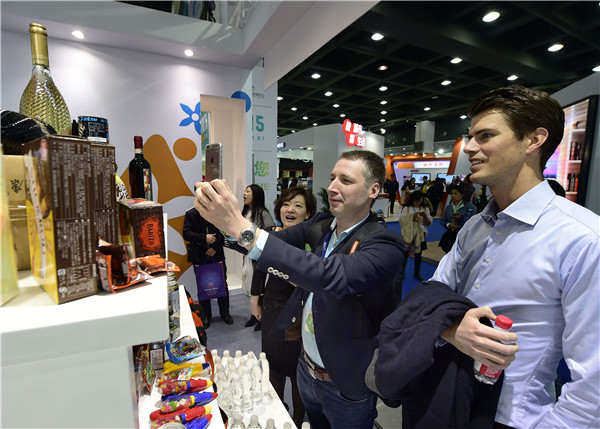
E-commerce companies have been given a one-year buffer period to rethink their cross-border strategies, after the government released new regulations, which ease controls introduced in April on certain imported goods sold online.
The country's customs authority said it will continue to allow the direct import of cosmetics, baby formula, medical equipment and healthcare-related food in 10 pilot cities, without permission, or the filing of special applications.
Companies have been told they have until May 11, 2017 to bring imported goods into bonded warehouses in the cities-including Shanghai, Hangzhou, Ningbo, Zhengzhou, Guangzhou and Shenzhen-without having to complete customs clearance forms originally required from early April on cross-border e-commerce activities.
Customs officials were unavailable to comment on the latest move on Wednesday, but Beijing-based JD.com Inc and another major e-commerce platform, which asked not to be named, both confirmed they had received the reprieve notice.
Lu Zhenwang, an e-commerce expert and chief executive officer of Shanghai-based Wanqing Consultancy, said the April regulation required e-commerce companies to obtain certificates first in order to get their goods through customs, but that had already led to a fall in import volumes.
"Many companies have faced challenges in maintaining stock levels because of the difficulty in completing all the customs-related paperwork," he said.
But the new regulation now gives them effectively a one-year window to rethink their procedures and plan well ahead, said Lu.
China started levying taxes immediately on retail sales on cross-border e-commerce platforms in early April, as well as placing stricter regulations on gaining import permits for goods sold online.
The aim was to create a more level-playing field, said officials, for e-commerce platforms and traditional retailers and importers.
The regulations, however, triggered mixed reactions among buyers and sellers, with many simply expecting prices of imported goods sold online to be driven higher, resulting in a fall in sales.
Gao Hongbin, head of AliResearch, a think tank affiliated with Alibaba Group Holding Ltd, said cross-border e-commerce is not a realistic competitor to traditional importers.


Copyright 1995 - . All rights reserved. The content (including but not limited to text, photo, multimedia information, etc) published in this site belongs to China Daily Information Co (CDIC). Without written authorization from CDIC, such content shall not be republished or used in any form. Note: Browsers with 1024*768 or higher resolution are suggested for this site.
License for publishing multimedia online 0108263 Registration Number: 130349