 |
|
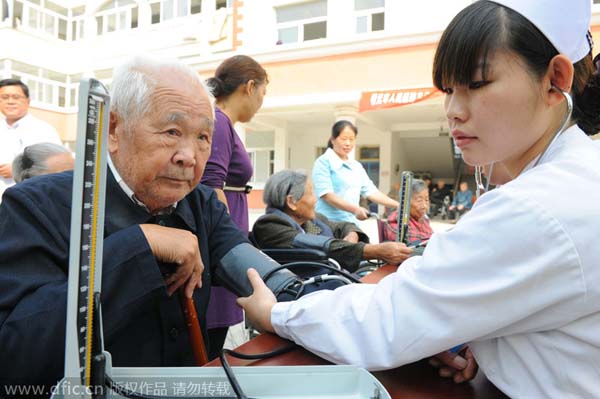
China's aging population will double from 200 million now to around 400 million by 2050 and will remain one-third of the total population for a prolonged period. [Photo/IC] |
The deadly fire in a nursing home on May 25 in Central China's Henan province, which killed 38 people, is an example of one entrenched imbalance in this country's economy.
On the one hand, China needs, as its leaders have repeatedly said, a major effort to complete its transition to an economy that is mainly driven by consumer spending.
On the other, many services provided to Chinese citizens are marred by problems of many sorts. Their provision is limited, and development, if any, is slow. Initiatives for change are quickly worn out by bureaucratic ineptitude and inaction.
The privately owned nursing home where the fire broke out had been a shabby building, reportedly with grave safety defects.
If this is the case then its proprietors must not have acquired the qualifications to run such an institution and bear the responsibility for many lives.
Illegal and extra-legal services, from kindergartens to old people's nursing homes, are common in China. Some of them are notorious for poor services and exorbitant charges. Disasters, like the fire, are inevitable.
People may naturally ask why, in the world's second-largest economy, all the services needed by its rapidly aging population are so meagerly funded.
Official data show that China's aging population will double from 200 million now to around 400 million by 2050 and will remain one-third of the total population for a prolonged period. There needs to be some major investment in their care in the next 15 years, industry researchers have said. Otherwise society will pay an even higher cost.
But the reality of the nursing service now is that there are only a few decent institutions funded by the government, not enough to meet the rising tide of demand.
Other institutions, mostly shabby, are run by small private investors who are not fully licensed and do not have a long-term commitment.
Large investors, including experienced international companies, are still prevented from joining the market, citing unhelpful rules and practices. One logical explanation is that the most ideal investors may think they are yet to be duly protected, and for the time being, the most sensible thing to do is to stay outside the game.
When the market fails to work, there can only be a few State-owned services for privileged customers and many shoddy black-market-type services for those with the greatest need. This was the pattern of the planned economy in the 1960s and 1970s. Unfortunately it is still visible in some of the most important but most heavily regulated services, such as healthcare, and care of the aging population is only part of it.
In Beijing, where general healthcare may be much better than in most other places in the country, the number of elderly people in need of daily care is about 600,000 out of a total 2.9 million residents aged 60 and above.

Copyright 1995 - . All rights reserved. The content (including but not limited to text, photo, multimedia information, etc) published in this site belongs to China Daily Information Co (CDIC). Without written authorization from CDIC, such content shall not be republished or used in any form. Note: Browsers with 1024*768 or higher resolution are suggested for this site.
License for publishing multimedia online 0108263 Registration Number: 130349