CITIES, COMMUNITIES
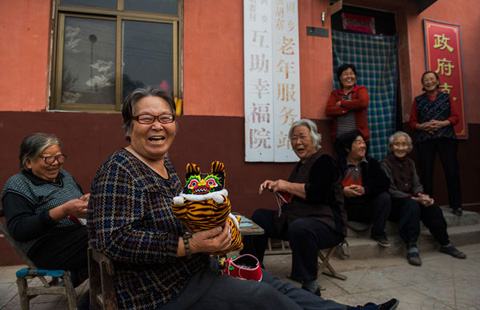
By 2012, almost 53 percent of Chinese were living in urban areas. Yet, only about 30 percent of them have urban hukou, or household registration, which would give them access to the city's welfare benefits. Because urbanizing the population requires the government to lift controls on the hukou system, the central authority passed a landmark guideline on hukou reform in early June. In the reform, cities are divided into different classes, and migrant workers can easily obtain hukou in middle-size and small cities after fulfilling certain conditions. The big cities will retain tight control over their hukou quotas, partially to ease the already heavy population and environmental pressures. But there are clear rating systems in different big cities for hukou applicants. Migrant workers now have a clear vision of how to obtain an urban hukou in big cities.
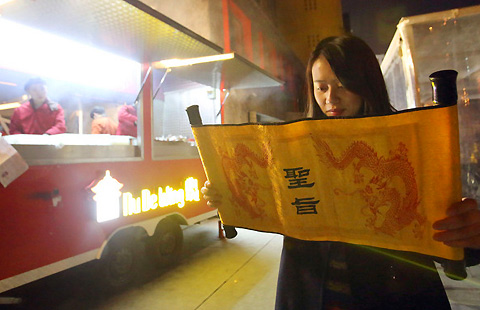
The communique said that to construct a socialist cultural power and strengthen China's soft power, the country will further deepen cultural restructuring. China will improve the cultural management system, establish a modern cultural market system, build a modern public cultural service system, and further open the cultural market.
In terms of cultural development, the government has already made some changes.
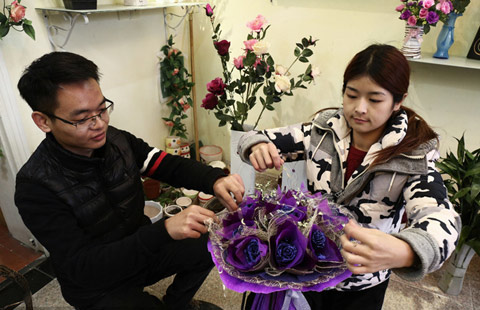
"As the economy grows, the market will become the major provider of cultural consumer goods and channels for the public. Comparatively, public services will switch to the fundamental role. As a result, we need to build and perfect the cultural market system," said Tuo Zuhai, deputy director of the Cultural Market Division at the Ministry of Culture.

CULTURAL DEVELOPMENT
The central government passed an action plan on the reform of China's cultural system in February. Cultural industries have been earmarked as pillar industries of strategic importance for China's national economy. The cultural industries are largely free of pollution. Their added value mainly comes from innovative ideas and successful marketing, which China needs to stoke its economic growth.
The central authorities have stressed that the cultural industries should inspire the people to be creative and innovative, serve the country's spiritual needs and be conducive to the improvement of morality and public ethics.
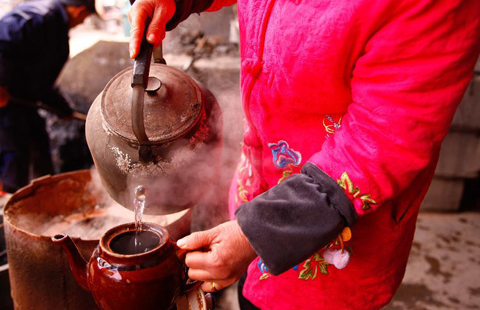
China's traditional culture and the Internet industries occupy important positions in the central government's cultural development plan.
Media reform also appears in the reform agenda set by the central authorities. China will set up several powerful and influential media groups.
|
 |
 |
| China's structural reform key to Asia Pacific growth: survey | Premier targets quicker reform to aid economy |

Copyright 1995 - . All rights reserved. The content (including but not limited to text, photo, multimedia information, etc) published in this site belongs to China Daily Information Co (CDIC). Without written authorization from CDIC, such content shall not be republished or used in any form. Note: Browsers with 1024*768 or higher resolution are suggested for this site.
License for publishing multimedia online 0108263 Registration Number: 130349