China may end tariffs and quotas on the export of rare earth minerals next year, in line with a World Trade Organization panel ruling earlier this year that the nation acted inconsistently with WTO rules, an industry expert said on Thursday.
Chen Zhanheng, deputy secretary-general of the China Rare Earths Industry Association, told China Daily that Beijing is expected to end the export tariffs and quotas, imposed in 2010, if the WTO rules against the nation's appeal later this year.
Industry insiders said the export quota system had been "invisible" in recent years in any case, since actual export volumes fell short of the quotas. Chen said the government is formulating contingency plans for the end of the tariffs and quotas, including tax changes that might push up the prices of these scarce minerals.
Taxes would be levied based on the value of the minerals, rather than on volume as is the case at present. That shift will mean higher prices at the producer level, which the government hopes will reflect the scarcity of these resources and the environmental costs of their extraction. Other steps, including a system of environmental compliance certificates, are intended to better manage the rare earth industry, Chen said.
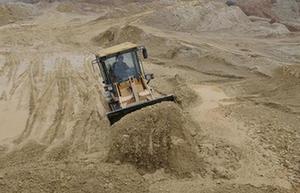
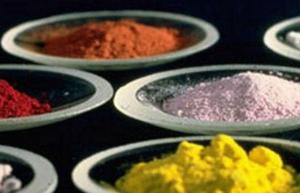
China produces more than 90 percent of the global supply of rare earths, a group of minerals that have a wide range of uses in high-tech sectors such as defense and renewable energy. To protect limited resources and reduce the environmental costs of production, China imposed tough output quotas and export tariffs in 2010 as part of a wider crackdown on the sector.
Two years previously, the European Union, Japan and the United States joined to bring a case to the WTO over China's measures involving exports of rare earths, tungsten and molybdenum. They claimed that the restrictions limited other countries' access to the minerals, giving China a competitive advantage and hurting producers and consumers.
A WTO panel said in March that the tariffs violated trade rules by giving domestic consumers an unfair advantage over foreign competitors.
Du Shuaibing, an analyst with Baichuan Information, said if the government removes the tariffs and export quotas but increases taxes on production, the result will be a rise in production costs and rare earth prices. But he added that controlling illegal mining and smuggling will be key to improving the rare earth market in China.
|
 |
|

Copyright 1995 - . All rights reserved. The content (including but not limited to text, photo, multimedia information, etc) published in this site belongs to China Daily Information Co (CDIC). Without written authorization from CDIC, such content shall not be republished or used in any form. Note: Browsers with 1024*768 or higher resolution are suggested for this site.
License for publishing multimedia online 0108263 Registration Number: 20100000002731