SOE reform in China is key to both the macro picture and micro performance
State-owned enterprise reform is a key component in China's reform toward a more market-based economy. It is also important for equity market performance as SOEs account for more than half the A-share market.
Mixing ownerships instead of privatization
While ideology prevents large scale privatization and the need to protect growth makes mass restructuring unlikely in the near term, the push to develop "mixed ownership" structure can help change management incentive structure, improve core profitability and cash flow, and increase government revenue.
 |
|
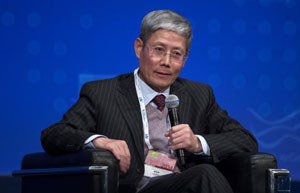
Wang Tao, chief China economist,UBS AG |
SOEs' operating environment will become more market-based as prices of energy, utility and capital become more market-based, and as competition increases. On this path to increased efficiency, there will be both winners and losers.
Not a wholesale catalyst, need to pick specific winners
We believe investors should focus on sectors and regions that may move faster on the SOE reform front and seek specific opportunities while the macro environment will unlikely be changed soon.
The central objective of China's ambitious reform plan is to let the market play a decisive role in allocating resources and improve overall efficiency. Reforming the state-owned enterprises (SOEs) is widely considered to be one of the most important pieces of this plan. SOE reform is not only key to sustained macroeconomic growth and financial stability, but also is important for improving corporate profitability, and, given that SOEs account for more than half of the market cap in the A-share market, better performance in the Chinese equity market.
While it is common to equate SOE reform simply to privatization, we think the transformation of SOEs include changes in governance structure, operational independence, incentive systems, budget constraint, and the operating environment. The latter reforms can help improve SOE performance significantly without a massive outright privatization.
Developing "mixed ownership" structures among SOEs means partial privatization in essence. This can take different forms including IPO of unlisted state-owned assets, selling certain assets to specific private owners, and increase private ownership of listed companies. For different firms, these measures can pave the way for one or all of the following: adjusting the incentive structure for management (management of "mixed ownership" companies is allowed to link compensation with company performance) to focus more on shareholder returns, improve profitability by getting rid of low-return assets, lower debt leverage, and obtain private capital.
Wang Tao's earlier articles
Is China losing competitiveness or moving up value chain?
UBS cuts 2014 China CPI forecast to 2.7%
Aiming for both growth and reform

Copyright 1995 - . All rights reserved. The content (including but not limited to text, photo, multimedia information, etc) published in this site belongs to China Daily Information Co (CDIC). Without written authorization from CDIC, such content shall not be republished or used in any form. Note: Browsers with 1024*768 or higher resolution are suggested for this site.
License for publishing multimedia online 0108263 Registration Number: 20100000002731