Comments
  Print
Print  Mail
Mail  Large Medium Small
China Daily: Trailblazing goes before development, and innovation entails transformation. Hello there, welcome to our special program for the NPC and CPPCC: Redefining urbanization. Today we are joined by Mr Wang Heshan, vice governor of Ningxia Hui autonomous region. Nice to meet you!
Urbanization is now set to become a major engine of China's development. Would you share with us the characteristics of Ningxia's urbanization drive?
Wang Heshan: Sure. Well I'm happy to be invited here. Urbanization has become a heated topic during the "two sessions". There is much talk out there and of course many suggestions coming up. The urbanization ratio in Ningxia is relatively low actually. To be specific, back in 1978, the urbanization ratio there was merely about 17 percent, with an urban population of more than 600,000. Today, the ratio has reached 51 percent. Out of 3 million-plus people in Ningxia, over half are living in urban areas. In this sense, the current urbanization ratio, albeit 1.6 percentage points lower than the national average, means that Ningxia has undergone a big transformation over the years. It has exceeded 50 percent. For the urbanization ratio, 50 percent is a significant number. The urbanization drive (in Ningxia) witnessed a rapid development in recent years. From 1978 until now, there's been more than three decades, nearly four. During that time, the ratio increased more than 40 percentage points, of which 20-odd points were attained in recent years, with an annual rate of over one percentage point. That's why I said it was a time when our urbanization drive enjoyed the strongest momentum.
During the process, however, I think there are quite a few things we should take care of. First issue is system. Like I said last time we met, the system is a key issue. Urbanization is actually accompanied by rural transformation. Why is that? You see, when rural residents move into cities, urban areas expand and rural areas then shrink. The two processes should be linked. It's quite obvious. For instance, if a farmer moves into a city, how will he be covered by social insurance or deal with his hukou (China's household registration)? Therefore, we need a well-functioning system, which will smooth their transformation from rural residents to urban citizens and meanwhile accelerate the urbanization drive.
Second, I think we should draw a blueprint. To some extent, urbanization, if well-planned and well-regulated in every aspect including urban construction, can be pushed forward orderly. So I think planning should come first. There are some good examples of urbanization around the world, all doing quite well in this respect. Meanwhile, from infrastructure construction to urban uniqueness, things like that are very important in the process.
Third, I feel the urbanization drive should come with a proper management system. Why? Let's take an example, traffic jams, and I know everyone is complaining about that, no matter where they are. That's mostly a management issue, despite other problems like narrow roads or surging car purchases. Of course, management is not a simple issue. The transformation of rural residents to urban citizens entails a wide range of social management adjustments so that these people are able to live a comfortable life in cities. If rural residents are treated without bias or able to quickly fit into the urban lifestyle, urbanization throes will then be eased and the process shortened. That's what we should really focus on.
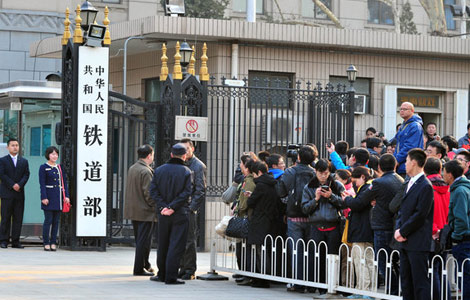 Keepsake photos of Railway Ministry
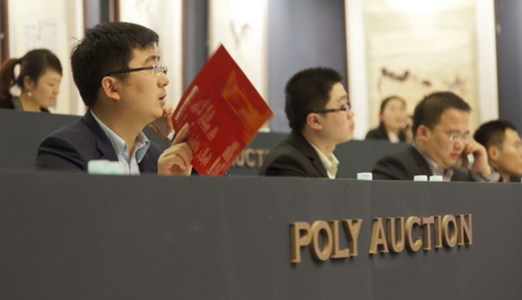
 State of the art market
 Green cars and concept cars: Geneva 2013
 Daimler debut Mercedes new A45 AMG: Geneva 2013
 Rapide S debut in Geneva at Aston Martin centenary
 France's Industry Minister inspects Peugeot 2008: Geneva 2013
 Honda's concept cars: Geneva 2013
 Minister optimistic on 2013 trade prospects
Copyright 1995 - 2010 . All rights reserved. The content (including but not limited to text, photo, multimedia information, etc) published in this site belongs to China Daily Information Co (CDIC). Without written authorization from CDIC, such content shall not be republished or used in any form. Note: Browsers with 1024*768 or higher resolution are suggested for this site.
License for publishing multimedia online 0108263 Registration Number: 20100000002731