

 Comments
  Print
Print  Mail
Mail  Large Medium Small
Tao Jingzhou, managing partner of Dechert LLP, an international law firm, says the planned investigations are a welcome step as it shows China's "increasing attention to the laws and regulations in the global market", and the government's intention to create a level-playing field for all companies in China.
"These kinds of investigations happen from time to time in developed countries, so it is normal to see them in China," Tao says. "Once a company violates the law, whether it be a foreign company or a Chinese company, it is subject to punishment.
"Thirty years ago we treated multinationals as 'super-citizens', but now we should treat them as equal market players, with no special favors or discrimination."
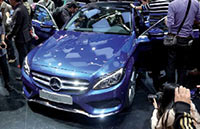
Although the Chinese market is becoming more regulated, that does not mean the high price of foreign cars can be brought down by just one or two investigations, experts say.
"This excessive margin problem has existed for more than 10 years," says Su Hui, vice-chairman of the dealers' association. "We have raised proposals before on looking into this price manipulation, but there was no real result."
However, industry experts feel that unlike medicines and milk powder, luxury cars should be categorized as luxury products and exempted from rules relating to monopolies.
"I think people who buy luxury cars in China know about the price disparity very well," says John Zeng, Asia-Pacific forecasting director for LMC Automotive Consulting, an industry consultancy. "It is obvious that pricing is not an issue for these customers, as their wealth and social status is often measured in the high price they pay for the cars."
However, most of the foreign automakers, speaking on condition of anonymity, blamed high import tariffs and other taxes for the high prices.
For instance, tariffs and taxes on an imported 5-liter sports car total 144 percent of the original price. So a car with an original sticker price of 1 million yuan can easily cost in excess of 2.5 million yuan in China.
Some lawyers insist that brands setting the lowest pricing violates China's anti-monopoly law, while others think imported cars are far from achieving a monopoly status in China.
They cite legal precedents stipulating that a market participant is deemed a monopoly if its market share exceeds 50 percent, or if the combined market share of two participants exceeds two-thirds.
The domestic market is highly competitive, and importers are vying with domestic companies to grab market share. So it is far-fetched to suggest that foreign companies have colluded on price or achieved a price monopoly, Tao of Dechert says.
Market data also suggests there is no monopoly in the market. The total number of cars imported into China each year is about 1 million, and imports of BMW and Mercedes-Benz, the top two companies, total about 300,000 units, less than the two-thirds benchmark.
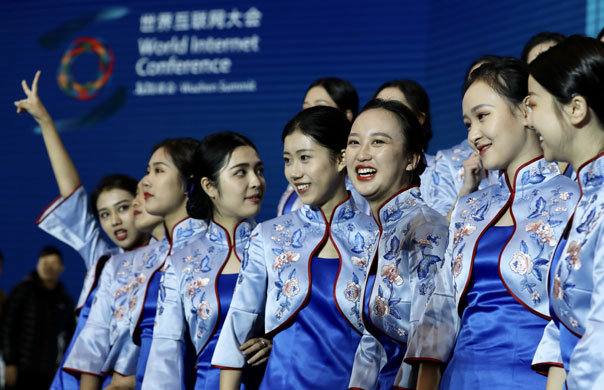 4th World Internet Conference concludes
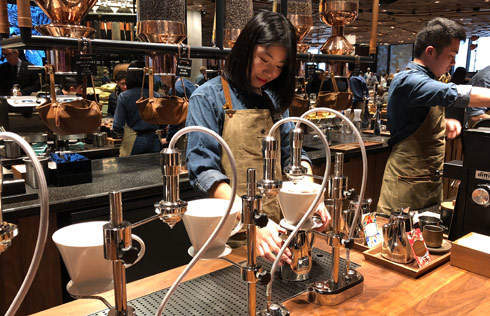 Starbucks Reserve Roastery set to open in Shanghai
 Smile to get discounts in Tmall's unmanned supermart
 Top 10 richest Chinese women in 2017
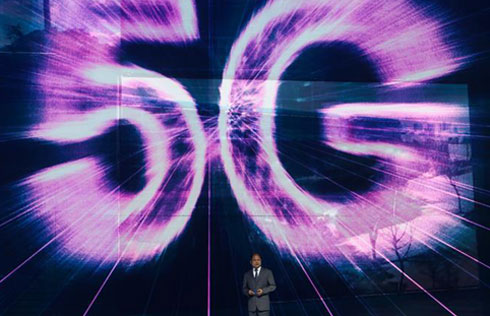 World leading internet sci-tech achievements released in Wuzhen
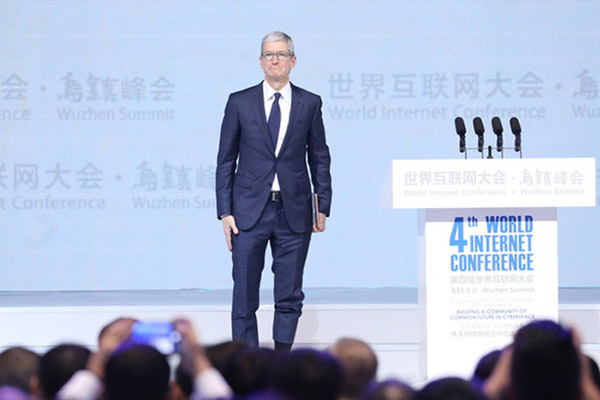 Top tech CEOs take to the stage as Wuzhen Summit opens
 Major topics at 4th World Internet Conference
 'Made in China' dinosaurs amuse the world

Copyright 1995 - . All rights reserved. The content (including but not limited to text, photo, multimedia information, etc) published in this site belongs to China Daily Information Co (CDIC). Without written authorization from CDIC, such content shall not be republished or used in any form. Note: Browsers with 1024*768 or higher resolution are suggested for this site.
License for publishing multimedia online 0108263 Registration Number: 20100000002731