Comments
  Print
Print  Mail
Mail  Large Medium Small
China has to fund more R&D into new technologies to cash in on limited global economic growth over the next two decades
History tells us that the application and popularization of new technologies result in a cycle of global economic growth and the world economy enters a period of recession or adjustments once the new technologies cease to be the driving force of productivity. After that, a new technological revolution is needed to pull the global economy out of recession and lead it toward recovery and growth.
The extensive use of computer and information technology in the mid-1980s helped the world economy enjoy relatively high growth, with the average rate reaching 3.5 percent in the 1990s and 2000s. In fact, it recorded 3.9 percent from 2004 to 2007, the highest since the mid-1980s.
But the 2008 global financial crisis interrupted the growth momentum, and for the first time in decades, a negative growth was recorded in 2009. It is still uncertain whether the widely anticipated "third industrial revolution" led by technological breakthroughs in 3D and new energy can pull the global economy out of recession and propel it toward new prosperity. But one thing is certain: Nations that lead the new round of technological revolution will spearhead and even dominate global development in the future.
Aside from new technologies, globalization has also contributed much to global economic growth by deepening the global division of labor and promoting a more reasonable distribution of resources and other factors of production. The global financial crisis, however, has prompted almost every country to resort to trade protectionism to boost their economic development, causing a sharp increase in the number of global trade frictions.
Following the global financial crisis, developed countries have tightened their financial monitoring, which has slowed down the development of their financial sectors and flow of international capital. In response, developing countries have become more cautious about opening up their financial markets to the outside world. These developments, to some extent, will have a negative impact on globalization and push the global economy toward a gloomier future.
From a short-term perspective, the global financial crisis will continue hampering global economic development. On one hand, the debt crises in some developed countries will have a direct impact on the global financial system and cripple their capability to take new financial and monetary measures to stimulate their economic recovery. On the other hand, a widespread loose monetary policy across the world has flooded the global economy with liquidity, exacerbating inflation worldwide, prompting emerging countries to tighten their fiscal policies and causing economic deceleration.
 'Cat model' to dazzle Shanghai auto show 2013
 Models at Tokyo modified car show
 Shanghai Fashion Week focuses on domestic brands
 Angel-dress models at Shandong auto show
 Safe and Sound
 Theater firms scramble for managers
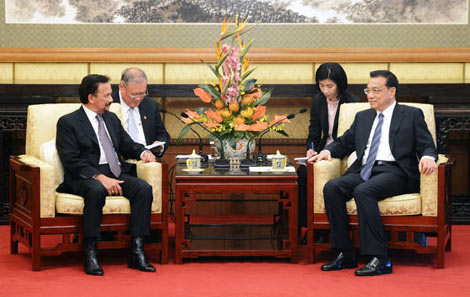 Premier pledges closer ties with Brunei
 Volkswagen's all-new GTI at New York auto show
Copyright 1995 - 2010 . All rights reserved. The content (including but not limited to text, photo, multimedia information, etc) published in this site belongs to China Daily Information Co (CDIC). Without written authorization from CDIC, such content shall not be republished or used in any form. Note: Browsers with 1024*768 or higher resolution are suggested for this site.
License for publishing multimedia online 0108263 Registration Number: 20100000002731