BEIJING - As "Made in China" products gain a greater market share in developed countries, challenges are arising from local regulators accusing Chinese manufacturers of "dumping" their products at low prices.
In the face of the rise in such protectionist charges, Chinese companies should take bolder moves to defend themselves through legal means.
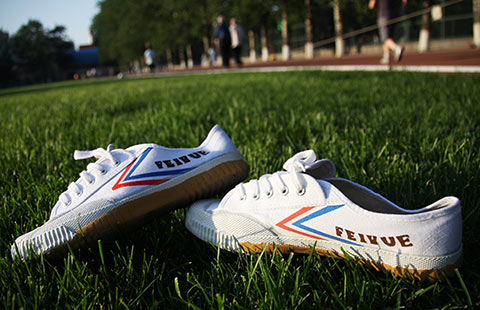
Shoemaker Aokang has set an example for other Chinese businesses by winning a lawsuit it filed six years ago against the European Union over the latter's dumping charges on Aokang leather shoes.
The verdict, handed down to the Zhejiang-based manufacturer this weekend by the EU High Court, will help importers and exporters dealing with Aokang products to the EU retrieve the anti-dumping duties imposed on them during the past six years.
This victory is particularly significant now, as the EU and the United States have launched a series of anti-dumping investigations into Chinese solar panels and other solar products.
Steel, auto parts and tires made in China have also come under attack in the past.
Aokang's persistence in the marathon legal process, as well as its positive outcome, can both boost the confidence of other Chinese businesses trying to defend their interests overseas and offer them practical advice.
In theory, Chinese companies involved in export businesses do not lack professional legal advice from lawyers, but they still need to better understand the laws of other countries and learn how to more effectively apply them in their own defense.
Concerns for costly input into human resources and the uncertainty of winning lawsuits have dissuaded Chinese companies from embarking on potentially long journeys through the legal process.
In the case of Aokang, four other shoe manufacturers withdrew from the lawsuit in 2010 when the European Court of First Instance ruled in favor of their opposition.
But companies need to recognize that only by legally defending themselves can they avoid facing similar accusations in the future and expand into even bigger markets.
Dumping charges are not the only type of challenge for Chinese companies "going out." They are also often caught in cases involving intellectual property rights.
Whether their IPR has been violated or they are being accused of violating another's IPR, Chinese companies are usually not very good at defending themselves in this area.
In regards to IPR disputes, the Chinese Ministry of Commerce has set up service centers in around 50 cities nationwide to provide companies with legal counseling and even consultations with governments in other countries.
Through concerted efforts from the Chinese government and companies, China's business interests abroad will be better defended.


Copyright 1995 - . All rights reserved. The content (including but not limited to text, photo, multimedia information, etc) published in this site belongs to China Daily Information Co (CDIC). Without written authorization from CDIC, such content shall not be republished or used in any form. Note: Browsers with 1024*768 or higher resolution are suggested for this site.
License for publishing multimedia online 0108263 Registration Number: 130349