|
|
|
 |
|
|
|||||||||
|
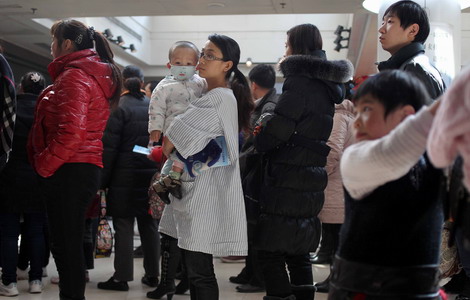 The Capital Institute of Pediatrics is one of the busiest hospitals in Beijing. [Photo / China Daily] |
Clinics in the city were previously allowed to sell medicine at 15 percent higher than the purchase price, which formed a large part of revenues.
Jiankang Road Community Health Center, for example, generated 18.84 million yuan ($2.97 million) in 2005, with 92 percent from drug sales and medical treatment charges and the rest from the government.
However, when officials decided to centralize drug procurement and distribution in 2007, taking supplies from the winning bidder, community health centers were banned from marking up prices.
The local medical insurance office also began setting annual budgets for centers based on the number of outpatients and patients with chronic illnesses they receive. Clinic administrators were warned that any overspending would not be covered.
Li Yiping, director of the office, said the total medical insurance budget for Zhenjiang's facilities was more than 800 million yuan in 2011. The amount is increased annually, he said, as are government subsidies.
Jiankang Road Community Health Center, which serves a population of 86,000, generated total revenue of about 50 million yuan, with 21 percent coming from subsidies.
Chen, the health minister, has urged local authorities to ensure that policies on investment for public hospitals are carried out effectively so that facilities have sufficient funding for infrastructure, equipment, pension contributions, key services and research.
However, for many public hospitals, subsidies still only make up a small portion of their revenue.
Peking University Third Hospital had total revenue of 2.25 billion yuan last year, yet just 5 percent came from subsidies, according to its president Chen Zhongqiang.
After deducting the cost of medical materials, he said the hospital was left with just 800 million to 900 million yuan to cover operating costs, such as salaries, new equipment, training and research.
"More government funds should be allocated to public hospitals to cover basic operational expenses. (A contribution of) 5 percent is simply not enough," Chen Zhongqiang said, adding that he believes patients should not be made to pay for public welfare projects.