Congested traffic hits even small urban areas


A recent visit to my in-laws living in Lishi, a city in Shanxi province, sheds some light on China's urbanization and demand for automobiles in small cities.
The population of Lishi has increased from 230,000 to 330,000 over the past 10 years. Counting the migrant population not registered in the 2012 census, Lishi's population may have actually doubled over that time.
The increasing urban population has given rise to demands for housing and motor vehicles, making a fourth-tier city such as Lishi as crowded and polluted as a first or second-tier city.
High-rises are being built in the valleys of Lishi to meet increasing demand for housing.
The city's number of vehicles - not including two and three-wheelers - has almost doubled in the past three years from 22,000 in 2010.
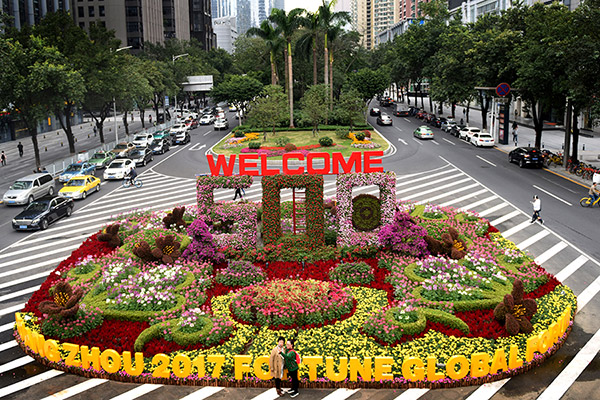
Cars and trucks are parked full along the sides of most city streets and are packed in some residential courtyards overnight. In morning, residents have to work with neighbors in the daily chore of moving out their vehicles.
And the sad fact is that most of the drivers work within walking or bicycling distance. While drivers are daily jammed on the city streets, very few are traveling on expressways to nearby cities.
Empty expressways and crowded city streets are the reality of many smaller cities in today's China.
China's new leaders envisioned that urbanization would continue to be an important driver of economic growth in the coming years.
While this may be true, the current pattern of urbanization is hardly sustainable as life in the cities, though more convenient with better education and healthcare opportunities compared to rural areas, is becoming increasingly difficult with congestion, air pollution, traffic accidents and street crime.
The example of Lishi also poses a question for optimists that believe China's demand for automobiles may increase to 30 or 40 million in the next 5 to 10 years. They pin high hopes on demand in fourth and fifth-tier cities.
The potential may be there given China's low rate of per-capital ownership of automobiles. But such a potential may not be realized given the current pattern of urbanization.
The writer is honorary editor-in-chief of China Automotive Review magazine.