 |
|
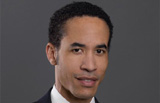
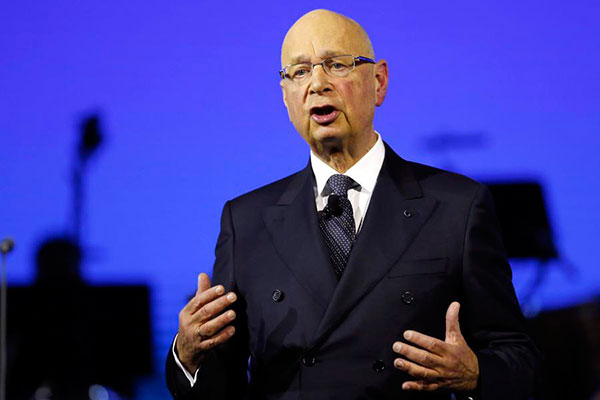
Founder and executive Chairman of the World Economic Forum (WEF) Klaus Schwab speaks ahead of the Crystal Awards ceremony in the Swiss mountain resort of Davos January 20, 2015. [Photo/Agencies] |
Robust economic growth from countries like China and India are signs that Asia is once again the economic center of the world, a fact that Schwab said is not being adequately reflected in international governance.
China has long sought greater clout in global institutions commensurate with its growing economic might. The country has led the creation of the Asian Infrastructure Investment Bank, an alternative to the International Monetary Fund and the World Bank, with both developing and developed countries as its perspective founding members.
"I'm very happy that China is taking leadership in developing infrastructure not only in China, but having regional cooperation," Schwab said.
He said that rather than competing with the IMF and the World Bank, the AIIB will complement existing institutions to fund a trillion dollar infrastructure investment gap, much of it in Asia.
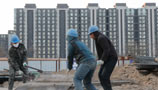
China's outreach also comes at a time when growth in the world's second largest economy is moderating on soft investment and trade. Economic growth slowed to 7 percent during the first half this year as traditional drivers such as real estate, heavy industries and exports run out of steam.
But Schwab said the slowdown is "a necessity to transform the economy from production and export-oriented to a more consumer-led and innovation-based model."
"The future growth will come not so much from traditional sources like manufacturing....China has to orientate its economy towards innovation and creativity," Schwab said.
China's vast manufacturing sector has been saddled with overcapacity as domestic and global demand for its industrial goods have weakened amid economic slowdown.
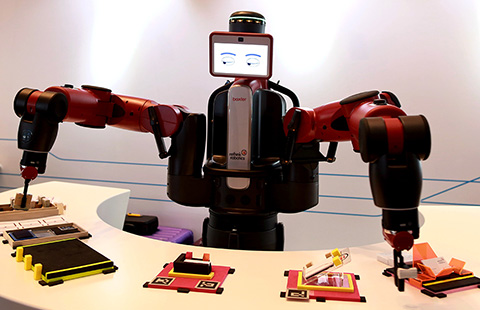
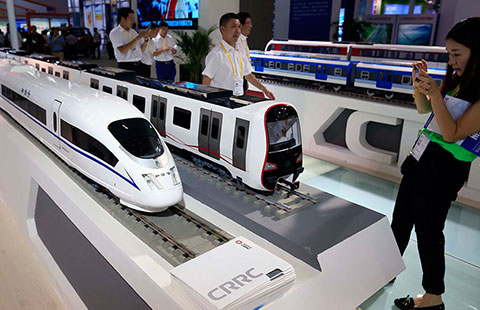
Authorities have since this year announced plans to nurture tech-intensive industries to help China regain its competitive edge in manufacturing. Meanwhile, China's budding Internet sector has churned out a legion of innovative firms from Alibaba and Tencent to taxi-hailing startup Didi Kuaidi that helps the economy adapt to its new consumers.
These companies, and western equivalents such as Uber and Airbnb, have come up with what Schwab called "a new approach to old business models," and brought innovation "not just to one product, but the whole system."
Competitiveness of the Chinese economy in this new era of disruptive technologies, he said, will come from the agility and speed at which businesses adopt new technologies.
"I've seen China confronted many times with what seem insurmountable problems," Schwab said, "What I'm always impressed with is the vision behind China's economic policies, which allows the country to meet those challenges."

Copyright 1995 - . All rights reserved. The content (including but not limited to text, photo, multimedia information, etc) published in this site belongs to China Daily Information Co (CDIC). Without written authorization from CDIC, such content shall not be republished or used in any form. Note: Browsers with 1024*768 or higher resolution are suggested for this site.
License for publishing multimedia online 0108263 Registration Number: 130349