 |
|
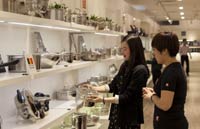
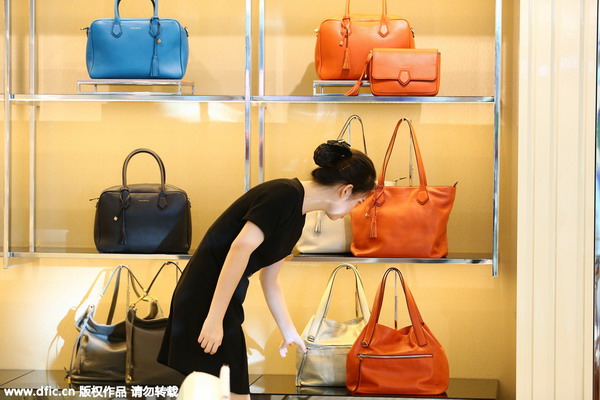
Bags of foreign brands are displayed at the Haitang Bay Duty Free Shopping Center in Sanya, Hainan province, Sept 27, 2014. More duty-free stores will open at Chinese borders, with a higher purchasing cap for each individual tourist and more categories of products. [Photo / IC] |
Tariffs on imported consumer goods will be cut in parts of China by the end of June to fuel domestic consumption, stabilize economic growth and reduce the outflow of spending by Chinese tourists.
An executive meeting of the State Council, presided over by Premier Li Keqiang, decided on Tuesday to increase imports of overseas products favored by Chinese consumers, in a move to woo those whose shopping lists during overseas travel have expanded from luxury brands to daily consumer goods.
More duty-free stores will open at Chinese borders, with a higher purchasing cap for each individual tourist and more categories of products. Easier tax refund procedures will be promoted, accompanied by reinforced efforts in customs clearing checks to curb smuggling, the meeting decided.
A statement released afterward said the policies are part of the government's efforts to boost consumption, sustain growth and restructure the economy.
Chinese tourists spend an average of about 12,000 yuan ($1,934) on tours and 7,000 yuan on shopping, according to the China National Tourism Administration. But more Chinese are willing to travel overseas, with shopping high on their agendas, driven by a stronger yuan, favorable visa policies and growing wealth.
A recent HSBC report shows that Chinese are buying about 40 percent of luxury goods sold in France and account for 35 percent of such sales in Italy and 25 percent in Britain. Their interest in daily consumer goods surged following the frenzied buying by Chinese of electronic toilet seats and rice cookers in Japan during the Spring Festival holiday.
Shao Qiwei, former director of the tourism administration and a member of the National Committee of the Chinese People's Political Consultative Conference, said during the top political advisory body's annual session in March that, by 2020, Chinese are expected to travel an average of 4.5 times annually, or 6 billion total visits, with total spending of 5.5 trillion yuan ($887 billion).
The central government allowed Hainan, China's southernmost island province, to run two duty-free shops in 2011. Nonlocals can make duty-free purchases twice a year when leaving the resort island, each capped at 8,000 yuan.
But the trial in Hainan failed to boost tourist spending due to the limited choice of products and the cap on purchasing, said Liu Deqian, an expert at the Chinese Academy of Social Sciences' Tourism Research Center, with only 10 percent of the passengers departing from Hainan buying duty-free goods.
Liu said that the new national policies should lead to more domestic tourists spending at home. But Liu added that the effects are hard to predict before a detailed plan is released with tax rates, purchasing limit and product categories.

Copyright 1995 - . All rights reserved. The content (including but not limited to text, photo, multimedia information, etc) published in this site belongs to China Daily Information Co (CDIC). Without written authorization from CDIC, such content shall not be republished or used in any form. Note: Browsers with 1024*768 or higher resolution are suggested for this site.
License for publishing multimedia online 0108263 Registration Number: 130349