Prices of more than 2,700 drugs will soon be determined by the market, rather than the government, as China gets ready to roll out its ambitious drug pricing reform plan, industry sources said on Thursday.
The National Development and Reform Commission has already sent the draft plan on drug pricing reforms to eight related industry associations this week to solicit opinion. What this also means is that the current government-led pricing system that has been in place for about two decades will end soon.
Currently government-priced drugs account for around 23 percent of the total drug market in China. The reforms stipulate that the maximum retail price, or factory price of drugs, will not be fixed by the government from January 1, 2015. "Instead, the actual price will be arrived at through market competition," it said.
According to the draft plan, drugs involved in the reform will be divided into different types and three of them will see significant pricing policy changes.
For the drugs that are covered by medical insurance, the medical insurance departments will work with other related departments to work out insurance payment standards so as to guide the market price to be formed in a reasonable way.
For drugs with little market competition, such as patent drugs, exclusively produced traditional Chinese medicines, authorities will explore ways to establish a pricing negotiation mechanism with multilateral participation.
Prices of blood products, immunity and prevention drugs that are purchased by the nation and contraceptives will be formed through bidding purchases or negotiations, according to the draft plan. Class I psychic drugs, anaesthetic drugs and low-cost drugs will, however, adhere to the current pricing policy, the plan said.
Policymakers have also analyzed the possible influences of the new policy and believe that drug prices in hospitals will not rise as they are constrained by a series of mechanisms and regulations, such as the drugs bidding procurement mechanism, controls on total expenditure for medical insurance as well as intensified government monitoring and supervision of market trading prices.
But the possibility that drug prices will rise in some retail drugstores in the initial stages cannot be ruled out, it said.
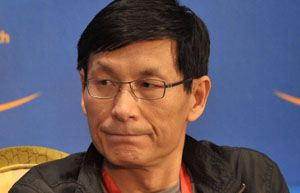
"Specifications differ for various drugs, and it is difficult to detect their real cost. The government pricing system will easily lead to rent-seeking," said Li Lei, former head of the price supervision department at the NDRC, adding that the conditions are ripe for cancelling the government price ceiling.
The drugs purchased through the bidding procurement mechanism have also played a big role in limiting prices. Controls on the total expenditure on medical insurance will motivate hospitals to bring down purchase prices, Li said.
Chinais the world's second-largest pharmaceutical market, and its spending on medicines will reach about $155-185 billion in 2018, according to the latest report from the International market research firm IMS Health.

Copyright 1995 - . All rights reserved. The content (including but not limited to text, photo, multimedia information, etc) published in this site belongs to China Daily Information Co (CDIC). Without written authorization from CDIC, such content shall not be republished or used in any form. Note: Browsers with 1024*768 or higher resolution are suggested for this site.
License for publishing multimedia online 0108263 Registration Number: 130349