Another factor that real estate developers like is that nearly 76 percent of Chinese homebuyers pay in cash with single houses being their favorite. In fact, single houses account for 70 percent of the total sales, followed by condominiums and commercial properties (only 5 percent). But just 39 percent of the buyers acquire the properties to actually live in them and only 52 percent of the property owners stay in the US for more than six months after signing of the deals.
Chinese homebuyers and real estate developers are indeed having it good in the US. But that doesn't mean they don't face risks.
To begin with, immigration policy could change overnight just like it did in Jeju Island, South Korea. The leadership in Jeju Island, a favored property investment destination for Chinese homebuyers, recently announced tighter terms and conditions for foreigners to get permanent residency permit even if they purchased properties there. Similarly, earlier this month Canada changed the immigration policy that it had been following for 28 years. Explaining the move, Canadian Finance Minister Jim Flaherty said that by setting lenient terms - compared with other countries - to acquire loans, Canada had significantly compromised the value of the right to permanent residency.
The US, too, has raised the investment requirement for EB-5 visa from $250,000 to $500,000-$1 million. The United Kingdom has raised the stakes even higher by requiring people to invest at least £1 million to get permanent residency.
Moreover, the returns on the properties in developed countries may not be as high as expected, because they have a more balanced economy than China's where houses are not hotly pursued commodities that generate lucrative profits. Also, rents may be lower than thought and it is difficult to resell properties.
More importantly, the lack of understanding of local laws and regulations could cost foreign homebuyers dearly, particularly if they don't speak the country's language. In Germany, for example, landlords cannot increase the rent at will. If the rent increases by 30 percent without a valid reason, the landlord can be punished according to the law.
Therefore, Chinese buyers must not go overboard just because it is easier to buy a property overseas. They should take into account factors such as exchange rate fluctuations, geographical and cultural differences, and political uncertainties before deciding to invest in real estate in overseas markets.
The author is director of market research at Centaline Property Agency.
 |
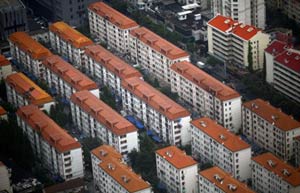 |
| Top 6 overseas destinations for Chinese homebuyers |
|

Copyright 1995 - . All rights reserved. The content (including but not limited to text, photo, multimedia information, etc) published in this site belongs to China Daily Information Co (CDIC). Without written authorization from CDIC, such content shall not be republished or used in any form. Note: Browsers with 1024*768 or higher resolution are suggested for this site.
License for publishing multimedia online 0108263 Registration Number: 20100000002731