A common feature of Chinese restaurants in the West is that their range of dishes tends to remain unchanged. Some of their perennial sauces and dishes, such as sweet-and-sour and hoisin sauces, do not feature as pervasively in restaurants within China, where the restaurant scene is in rapid evolution. There are several good restaurants that have taken to fusing Cantonese and Sichuan dishes, and some in Chengdu concoct creative dishes that are inventive modernist takes on Sichuan classic techniques and ingredients. Therefore, for someone who eats out regularly in China, most of the Chinese restaurants in the West tend to be rather dull.
The same can be said about the culture of tea drinking, something that Westerners hardly know anything about.
The point is, given the popularity of Chinese restaurants in the West, China can use its cuisine as a key element of its soft power. This endeavor, with the help of Chinese cultural institutes and private businesses, is not at all difficult, especially because awareness about and uptake of Chinese cuisine is growing in the West. For example, doujiang (soya milk) has become a popular food item in the West.
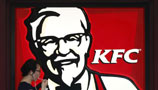
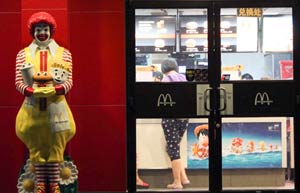
Regressively, at least for me, there is also a concurrent expansion in American fast food outlets in China. But I think the popularity of American fast food is a fad; young people take to it out of curiosity and a warped sense of being trendy and global only to return to Chinese fast food - such as noodle soup and dumplings. I would never, for example, eat a mass-produced uniform burger when I can have fresh handmade noodles for the same price.
Yet another thing that the West can learn from China is how to acquire a taste for different parts of animals, fowl, plants and vegetables. For example, people in Sichuan eat the leaves of the pea plant, and use almost all the organs and parts of animals and fowl to prepare dishes - a commendable practice to prevent waste at a time when food production can hardly keep up with population growth.
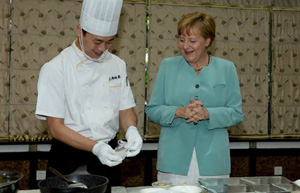
Perhaps when another eminent Westerner visits China, he/she will try one of my favorite dishes: fried duck's tongue, a premium dish in many upscale Sichuan restaurants, or even duck's brain, which tastes as good as foie gras.
The author is head equity analyst at Chinese Investors.com, a Shanghai-based financial analysis firm. The views do not necessarily reflect those of China Daily.
 |
 |
|
|
Produce market has surprise guest |

Copyright 1995 - . All rights reserved. The content (including but not limited to text, photo, multimedia information, etc) published in this site belongs to China Daily Information Co (CDIC). Without written authorization from CDIC, such content shall not be republished or used in any form. Note: Browsers with 1024*768 or higher resolution are suggested for this site.
License for publishing multimedia online 0108263 Registration Number: 20100000002731