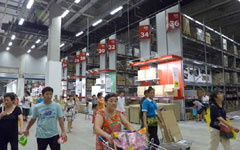
China's household consumption may rise to as high as 50 percent of gross domestic product by 2020. That compares with 35 percent today and creates opportunities in second- and third-tier cities, findings from Nielsen Holdings BV show.
"The upper end of this range amounts to additional spending of nearly 26.9 trillion yuan ($4.35 trillion) over 2012 levels," said Nielsen CEO Mitch Barns.
That's more than 18,500 yuan additional per capita consumption and will take total spending to over double 2012's, he said.
 |
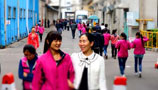
The results indicate that second- and third-tier city inhabitants spend as much as 40 percent of their disposable income on consumable goods, such as digital and entertainment products.
These consumers said they are particularly willing to spend on clothes, dining out and on their children's education.
"Consumers in second- and third-tier cities are now the primary drivers of consumption growth," Barns said. "Their populations show a greater propensity to spend on current needs and wants."
The data characterized those Chinese most comfortable with their savings levels and willing to spend. They: have 10,000 yuan a month in household income; save more than 3,000 yuan of that; own a home and private car; are debt-free.
Rising Chinese consumerism is seen as one of the six-mega trends shaping most of the country's industries and driving much of its impact on the Western world, according to work by Peking University professor Jeffrey Towson and Jonathan Woetzel, a director at McKinsey & Co.
The American middle class was the world's economic growth engine throughout the 20th century. Now it's the Asia-Pacific region, which will account for two-thirds of the world's middle class by 2030, according to Towson and Woetzel.
As urbanization accelerates, consumer spending resembles that of the West's middle class. Urban Chinese are buying to meet emotional needs, driving skyrocketing demand for middle-class goods, foods and entertainment.

Copyright 1995 - . All rights reserved. The content (including but not limited to text, photo, multimedia information, etc) published in this site belongs to China Daily Information Co (CDIC). Without written authorization from CDIC, such content shall not be republished or used in any form. Note: Browsers with 1024*768 or higher resolution are suggested for this site.
License for publishing multimedia online 0108263 Registration Number: 20100000002731