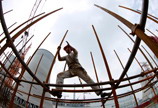
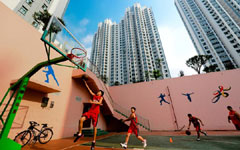
Over the past three decades and a half, China's urban population has risen from less than one-fifth of the total to more than half, which means about 500 million people have been added to the urban population. By 2030, up to 70 percent of China's population is likely to live in cities - that is, one in every six urbanites in the world will live in China.
How China urbanizes, therefore, is important not only to China, but also the rest of the world. It is also critical for China's poor. The overwhelming majority of China's 100 million officially poor and the 275 million Chinese that spend less than $2 a day live in rural areas. But the key to getting them out of poverty lies in China's cities.
|
 |
|
 |
But now China's investment- and export-driven growth model is showing signs of running out of steam. Its land-hungry urbanization has led to urban sprawls and congestion; it also is a growing source of unrest among farmers who feel under-compensated for the loss of their land. Land also played a big role as collateral to local government debt, which has risen rapidly in the past decade and now adds up to some 30 percent of GDP, 10 percentage points higher than the US.
China's income and wealth inequality has been on the rise as well, with growing urban-rural income inequality being a major factor driving inequality. Within cities, inequality between people with urban household registration (hukou) and migrants with rural hukou is stark, too. Although migrants' wages have increased recently, their inability to fully access public services creates a divide, risks the future of their children and is becoming a deterrent for migration.
Environmental pressures in cities are rising too. Urbanization has exposed many more people to pollution, and thus the costs in human lives and economic loss are on the rise.

Copyright 1995 - . All rights reserved. The content (including but not limited to text, photo, multimedia information, etc) published in this site belongs to China Daily Information Co (CDIC). Without written authorization from CDIC, such content shall not be republished or used in any form. Note: Browsers with 1024*768 or higher resolution are suggested for this site.
License for publishing multimedia online 0108263 Registration Number: 20100000002731