From "shadow banking" to lavish public spending, the message of the new leadership headed by Chinese President Xi Jinping and Premier Li Keqiang in its first year has been clear: the days of excessive spending and damaging liquidity are over.
By the time the Third Plenum of the 18th Communist Party of China Central Committee was held in November, the leadership had already shifted its focus to tripartite reforms, which sought to foster the role of efficient markets, competitive companies and a smaller but more effective public sector.
|
 |
|
 |
Along with economic and financial reforms, Premier Li played a vital role in the launch of Shanghai's Free Trade Zone, which unleashed a slate of new FTZ initiatives in other big Chinese cities and provinces. These initiatives are moving parallel to increasing financial deregulation and the internationalization of the renminbi.
To reduce bureaucratism and implement reforms, Li pushed the central government to delegate administrative approval powers to lower levels of governments, by drastically reducing approval in the administrative approval system.
But the reforms promise no free lunches. When Li wrote his prize-winning dissertation in 1994, he argued that structural change fuels productivity growth. Until the new leadership took over, China coped with economic challenges by accelerating and leveraging economic development, which degrade the quality of growth. That is no longer an option.
That message was brought home in June 2013, when China's inter-bank rates soared but the People's Bank of China did not intervene. In the past, the authorities had usually resorted to new injections of liquidity. Now it was declined. A
déjà vu ensued in December. Initially, observers called the outcome a "cash
That's not an ideal result because it means higher borrowing costs. But it is certainly preferable to the alternative-unsustainable liquidity creation and the rising probability of a debt default. Don't miss:
|
 |
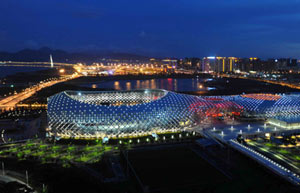 |
| China's top 10 richest cities |

Copyright 1995 - . All rights reserved. The content (including but not limited to text, photo, multimedia information, etc) published in this site belongs to China Daily Information Co (CDIC). Without written authorization from CDIC, such content shall not be republished or used in any form. Note: Browsers with 1024*768 or higher resolution are suggested for this site.
License for publishing multimedia online 0108263 Registration Number: 20100000002731