Huge potential to be tapped by reforms that actively and steadily advance higher quality urbanization
At a meeting on economic and social development and reform held on Wednesday, Vice-Premier Li Keqiang pointed out that urbanization will be the main driver of China's economic growth in the future and the country should gradually convert migrant workers to urban residents through reform of the hukou, or household residence registration system.
Li's remarks, together with the message from the just-concluded Central Economic Work Conference, are a clear singal that China's new leadership views urbanization as a key part of its efforts to launch a new round of reforms.
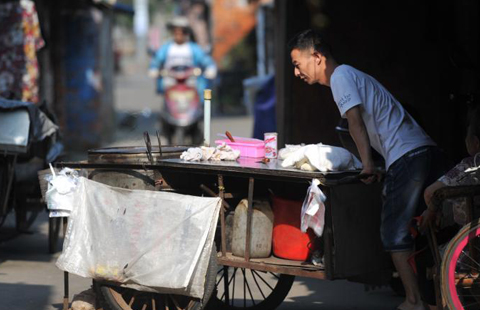
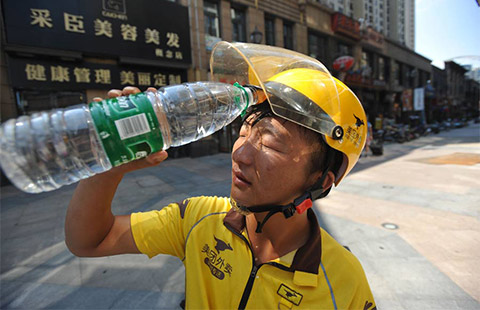
As the conference highlighted, China will establish a scientific scheme for the development of its large, middle and small cities, one that actively and steadily advances intensive, green and low-carbon urbanization. That means China will pursue higher quality urbanization and seek to really integrate migrant workers, who are usually excluded from cities' welfare networks, into urban areas. Higher quality urbanization also means more efficient use of newly acquired land instead of blind expansion. In this process, farmers should have more access to sharing the country's "urbanization dividend" instead of their interests being compromised due to the expropriation of their land.
The emphasis China's new leadership has put on urbanization is in the context of the lingering global economic slowdown and declining economic benefits from export and investment expansion. This situation, however, also offers China the opportunity to introduce more viable measures to boost its weak domestic demand and its capabilities for innovation, pushing forward the transformation of the country's economic development model.
The remarks made by Party chief Xi Jinping during a recent inspection tour of Guangdong province and the recent stress put on the "reform dividend" by Vice-Premier Li Keqiang were unambiguous signals that a new round of economic reforms will be launched. Pushing for a new style of urbanization is undoubtedly a good way to start such reforms.
China has huge potential to advance its urbanization given that a half of its population still lives in rural areas. Currently, the country's urbanization ratio is about 51 percent - some experts estimate the country's real urbanization ratio is 35 percent if those who have settled in cities but failed to gain a hukou in them are taken into account - such a ratio is far below that of some developing countries at a similar development stage, not to mention developed countries, where the urbanization ratio is more than 70 percent. However, this means China still has huge potential to raise its urbanization ratio in the years ahead.


Copyright 1995 - . All rights reserved. The content (including but not limited to text, photo, multimedia information, etc) published in this site belongs to China Daily Information Co (CDIC). Without written authorization from CDIC, such content shall not be republished or used in any form. Note: Browsers with 1024*768 or higher resolution are suggested for this site.
License for publishing multimedia online 0108263 Registration Number: 130349