BIZCHINA> Center

|
BIZCHINA> Center
|
|
Related
Comprehensive plan to fight climate change
(China Daily)
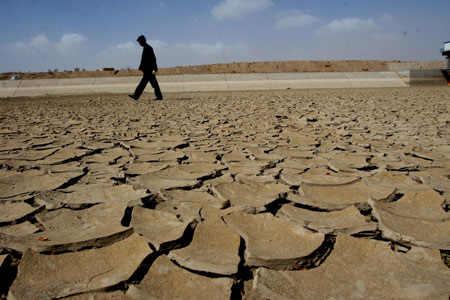
Updated: 2008-10-30 15:22 I. Climate Change and China's Situation The latest scientific research findings show that the average temperature of the Earth's surface has increased by 0.74 C over the past century, from 1906 to 2005, and is expected to further rise by 1.1 to 6.4 C by the end of the 21st century. The rise of global average temperatures since the mid-20th century is mainly caused by the increasing atmospheric concentrations of greenhouse gases, chiefly consisting of carbon dioxide, methane and nitrous oxide, emitted as a result of human activities, such as the burning of fossil fuels and changes of land use. China's temperature rise has basically kept pace with global warming. The latest information released by the China Meteorological Administration shows that the average temperature of the Earth's surface in China has risen by 1.1 C over the past century, from 1908 to 2007, and that China experienced 21 warm winters from 1986 to 2007, the latter being the warmest year since the beginning of systematic meteorological observations in 1951. Scientific research predicts that climate warming trend in China will further intensify; frequency of extreme climate events is likely to wax; uneven distribution of precipitation will be more visible than before and the occurrence of heavy precipitation will increase; drought will expand in scope; and the sea level will rise faster than ever. The basic conditions of China present the country with great challenges in addressing issues regarding climate change.
A large population and a relatively low level of economy determine that China's development task is a formidable one. The population of the mainland of China reached 1.3 billion at the end of 2007, accounting for 20 percent of the world's total. The large population also brings huge employment pressure. China is characterized by unbalanced regional economic development and is still nagged by a large income gap between urban and rural residents. China's ongoing industrialization process and its coal-dominated energy mix determine that its task of controlling greenhouse gas emissions is a tough one. Historically, China's greenhouse gas emissions have been very low. According to data from relevant international research institutions, from 1904 to 2004, carbon dioxide emissions from fossil fuel burning in China made up only 8 percent of the world's total over the same period, and cumulative emissions per capita ranked 92nd in the world. China's carbon dioxide emissions from energy consumption in 2004 totaled 5.07 billion tons. To advance further toward its development objectives, China will strive for rational growth of energy demand, which is the basic precondition for the progress of all developing countries. (For more biz stories, please visit Industries)
|
织金县| 金门县| 繁昌县| 衢州市| 长子县| 青海省| 宣恩县| 宜兴市| 房产| 屯门区| 长顺县| 黎川县| 互助| 北海市| 鄂伦春自治旗| 葫芦岛市| 西盟| 全州县| 安达市| 永福县| 大宁县| 灌阳县| 霸州市| 安化县| 贺兰县| 蚌埠市| 岑溪市| 新平| 崇仁县| 武定县| 铁岭县| 华容县| 疏勒县| 原平市| 德化县| 阳朔县| 盐池县| 彰武县| 许昌县| 三江| 射阳县|