


When algorithms meet antiquity
ShanHai AI uses carefully trained models to trace connections across ancient texts, bringing history closer, Wang Ru reports.










The first phase of the AI focuses on the Qin and Han dynasties but will be expanded to encompass more dynasties in Chinese history.
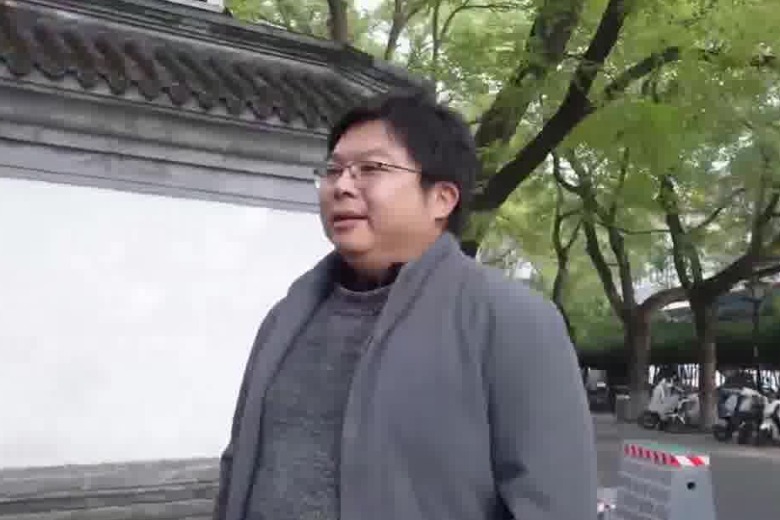
"As a history researcher, I feel most of our academic achievements are largely known within academia, but the public does not often know how to access them. We have always hoped that our work could also reach and serve a broader audience," says He Jin, dean of the Department of History at Peking University.
"While our capacity as scholars to popularize research is limited, technology now allows us to reach far wider audiences. We are very pleased to see our academic results benefit the public," he adds.
He says he has tested ShanHai AI's capabilities and found it effective. "When I asked history questions, it offered specialized answers and cited original sources in historical literature for every sentence in its answer. When I posed obscure questions, it honestly said it had no answer, rather than fabricating one," he says.
He believes AI has great potential for promoting academic research. "It breaks the ceiling of human intelligence. As each of us has limited time and memory to learn and remember facts throughout our lives, AI can play a major role in academic areas that require large-scale materials and comprehensive comparisons," he says.
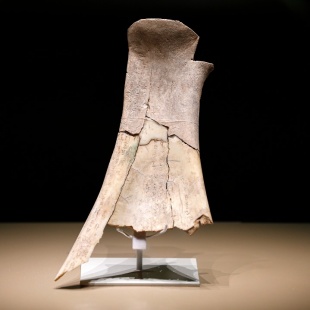
He uses the example of the inscribed oracle bones from the Yinxu Ruins in Anyang, Henan province, which carry jiaguwen, the earliest-known formal writing system in China, that are often fragmented when discovered. A critical task for scholars is to piece them back together. In the past, it could take scholars a decade to reconstruct a single piece, but now AI's image recognition ability can complete the same task in several hours, significantly improving efficiency.
He adds: "We hope history is not only recorded but also experienced; not only read, but also engaged with in dialogue; not only confined to the past, but also belonging to everyone."