



Hebei discovery sheds light on development of Stone Age tools









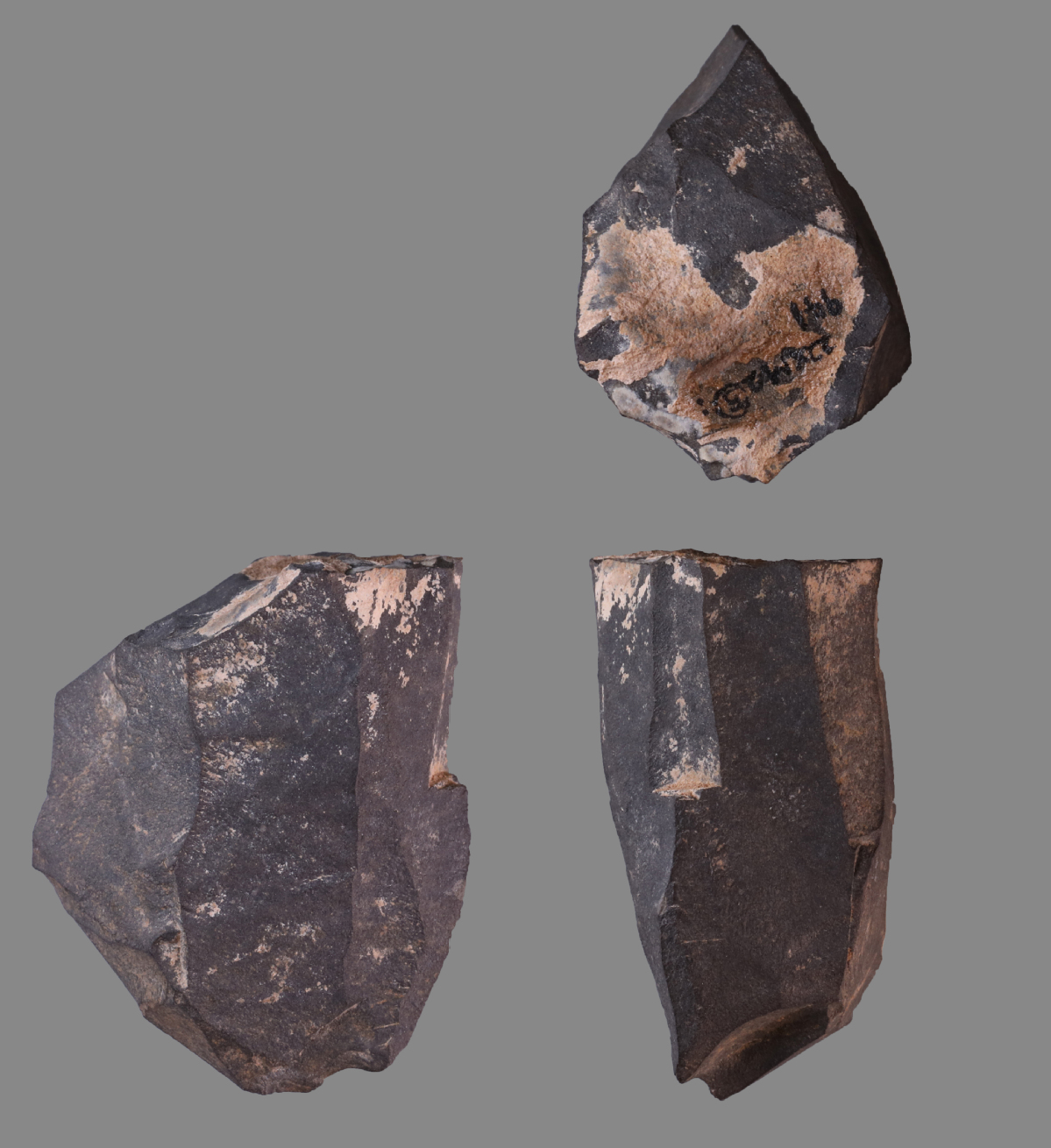
A major piece of evidence that sheds light on the origin of microblade technology in North China has been uncovered at the Xinmiaozhuang site in Nihewan Basin, Zhangjiakou, Hebei province.
The latest findings, announced at a provincial archaeology conference on Dec 13, include the discovery of bladelet technology dating back around 30,000 years. This provides a crucial missing link in tracing the development of microblade techniques in the region.
Wang Fagang, head of the excavation project from the Hebei Provincial Institute of Cultural Relics and Archaeology, said that together with the 29,000-year-old bladelet technology at Site 4 and the 27,000-year-old microblade technology remains, the finds form a more complete developmental sequence, revealing the origin and evolution of microblade technology.
"It marks a key stage in the stone tool's technological evolution in North China," he said.
The Xinmiaozhuang site has been extensively excavated since 2022. Earlier discoveries at the site include Mousterian-style stone tools dating back between 81,000 and 95,000 years.
Zhao Rixi contributed to the story.


- Former chairman of China's securities regulator Yi Huiman expelled from CPC, removed from public office
- China denies supplying drones, defense systems to Iran
- China's top legislature concludes standing committee session
- Beijing Xiangshan Forum to convene navigator meeting on May 7-9
- Xi's article on implementing guiding principles of key Party plenum to be published
- PLA Southern Theater Command conducts combat readiness patrols near Huangyan Island





