Coordinated regional development for optimum growth









Editor's note: The Chinese leadership has indicated it will continue to promote coordinated regional development during the 15th Five-Year Plan (2026-30) period. Zeng Gang, director of the Institute of Urban Development at East China Normal University, spoke to China Daily about how the strategy can facilitate the balanced growth of different regions. Below are excerpts of the interview. The views don't necessarily represent those of China Daily.
The aim of coordinated regional development is to foster long-term, steady growth to enable the gradual narrowing of the interregional development gaps by optimizing resource allocation among different regions and allowing them to assume distinct functions and foster their own strengths.
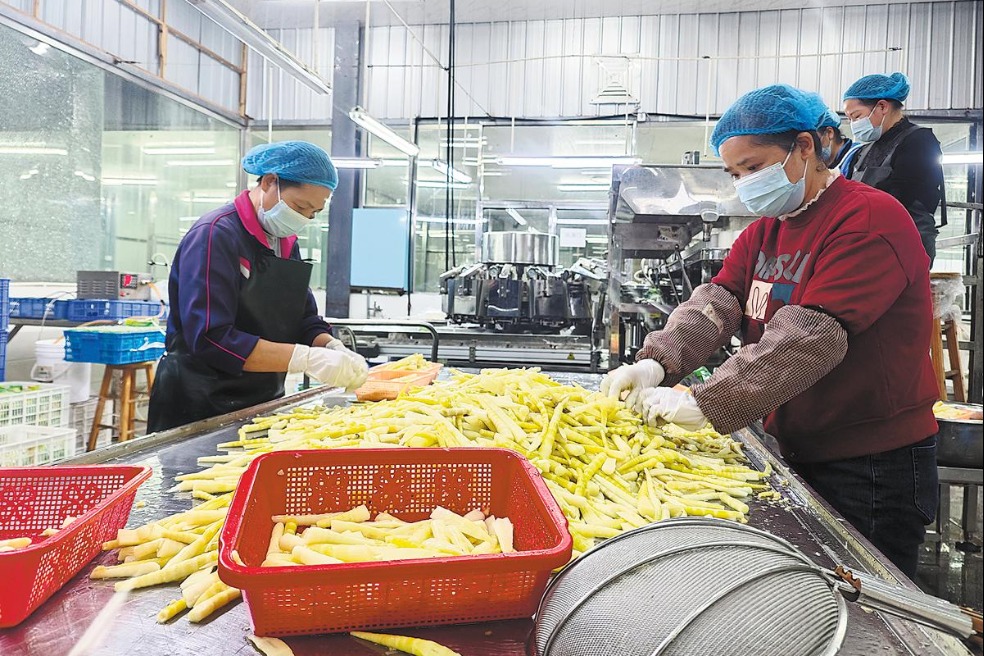
This pattern requires a rational division of labor among regions to avoid homogeneity and wasteful competition. This requires the relocation of some industries and resources to less developed areas to help improve their industrial structure and increase people's incomes.
A reasonable geographical layout of industries would enable different regions to fully leverage their strengths, creating vast market opportunities for companies and growth engines for the country. Coordinated regional development would also help safeguard China's food and energy security while improving the resilience of its industry and supply chains.
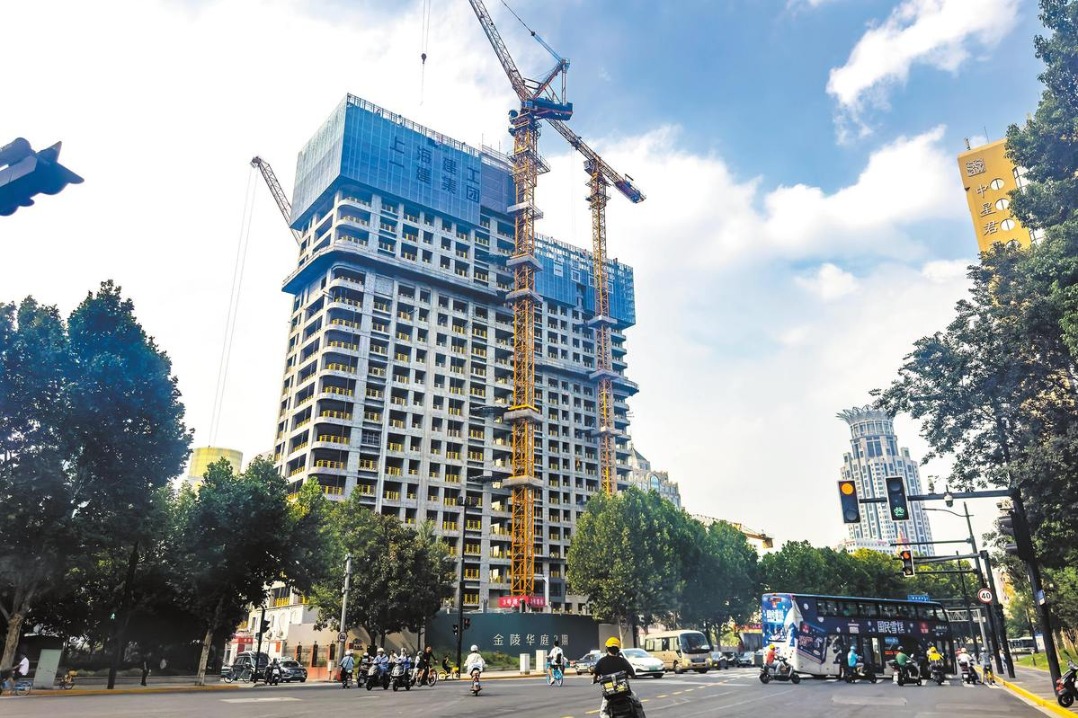
China made notable achievements in advancing coordinated regional development during the 14th Five-Year Plan (2021-25) period by accelerating efforts to build expressways, power grids, 5G networks and other infrastructure to connect regions.
Interregional industrial collaboration has improved in the past five years. Resources needed for innovation moved more freely among regions, and several globally competitive industrial clusters and innovation hubs were formed.
The country needs to promote the orderly relocation of industries from its eastern areas to central and western areas, significantly improving the infrastructure, industrial strengths and public services of the latter.
Meanwhile, it should develop better interregional cooperation mechanisms to coordinate local plans and policies. Also, it should keep up efforts to promote fair access to basic public services and narrow gaps in living standards between regions.
All regions should seek better growth while serving overall national interests. They should strive to develop a unified national market. They need to optimize development by taking stock of their natural resources and favorable conditions and avoid rushing in to develop a large number of similar projects. The better-off regions should enhance their innovation capacity and speed up efforts to upgrade their industries. The central and western regions should nurture industrial clusters based on local strengths. The other regions should deepen reforms to unlock growth momentum. The Beijing-Tianjin-Hebei region, the Yangtze River Delta and the Guangdong-Hong Kong-Macao Greater Bay Area are core engines of China's growth, and will continue to take on strategic tasks over the next five years.
The Beijing-Tianjin-Hebei region focuses on innovation, the digital economy and eco-friendly and low-carbon industries, and is striving to become a source of technological innovation for the country.
The Yangtze River Delta is also pooling efforts to remove bottlenecks for core technologies and turning itself into a global hub for resource allocation and technological innovation. It will continue to develop advanced manufacturing and the digital economy, and further open up its financial sector.
The Guangdong-Hong Kong-Macao Greater Bay Area will leverage Hong Kong's strengths as an international financial center, and advance in-depth cooperation among universities and companies in the cities of Guangzhou, Shenzhen, Hong Kong, Zhuhai and Macao to boost innovation. Artificial intelligence, biomedicine and financial technology will be high on the bay area's development agenda.