China's global image reflects its cultural confidence










Editor's note: China wants to increase the appeal of Chinese culture to boost China's soft power during the 15th Five-Year Plan (2026-30) period. China Daily spoke to Li Qingyun, a professor at the Institute of Chinese Marxism of the Shanghai Academy of Social Sciences, on promoting China's cultural confidence. Below are excerpts of the interview. The views don't necessarily represent those of China Daily.
In recent years, the development of cultural intellectual property has surged, with video games, films, TV dramas and toys becoming dynamic carriers of China's traditional culture. The global success of works such as the video game Black Myth: Wukong and the animated blockbuster Ne Zha: Demon Child Conquers the Sea or Ne Zha 2, both inspired by ancient Chinese mythology, demonstrates that Chinese cultural narratives have increasing international resonance. Behind this trend is public recognition, both at home and abroad, of the contemporary relevance of Chinese culture.
As China advances toward its long-term development goals, it must continue drawing inspiration from its cultural heritage while presenting it in forms that speak to today's audiences. Reinterpreting traditional culture through modern artistic language, integrating classical ideas into today's social context and transforming cultural wisdom into practical solutions are essential to keep China's cultural traditions alive and relevant. This also supports China's ongoing efforts to adapt Marxism to contemporary national realities.
Marxism left a profound mark on human history, but its most successful and dynamic application has been in China. It has led the country to unprecedented development and helped lift hundreds of millions of people out of poverty. Its vitality in China came from the deep compatibility between Marxist principles and the nation's 5,000-year-old cultural traditions. They may have different origins, but Marxism and traditional Chinese culture are not contradictory. Instead, they have undergone interaction, integration and mutual enrichment.
Traditional Chinese culture is a vital factor behind the nation's cohesiveness and a reservoir of intellectual strength. It inspires unity, nourishes creativity and motivates the country's development. As China continues to modernize, its culture is also evolving, honoring its roots while embracing innovation, learning from global exchanges and remaining open to new ideas; this gives it great dynamism.
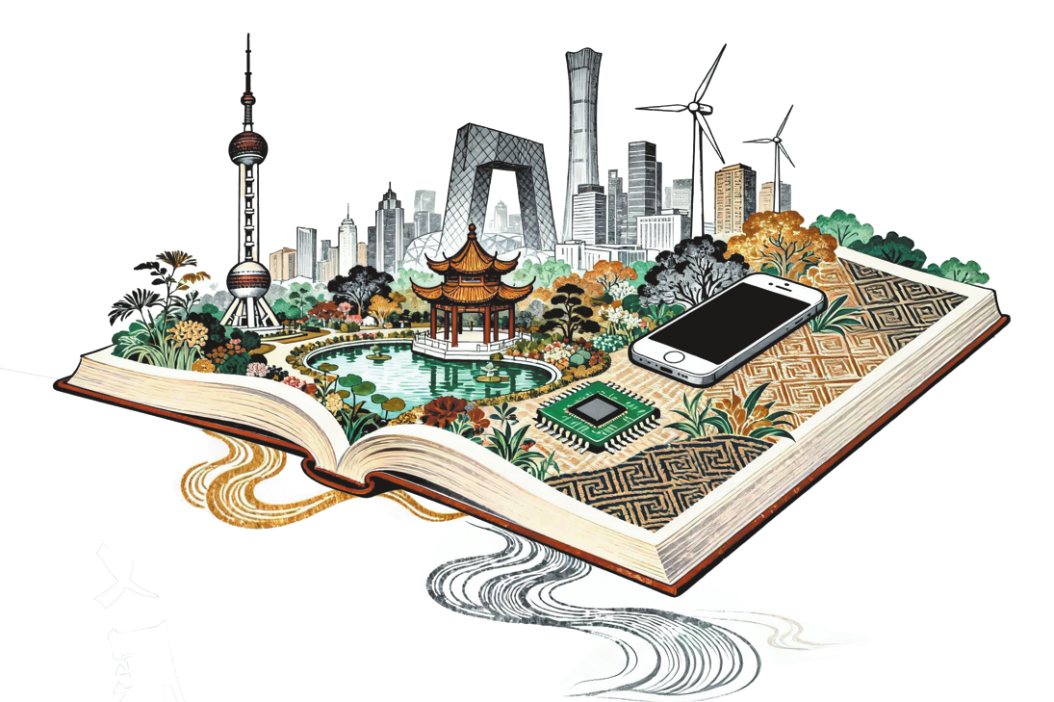
As China's economy grows and its role on the international stage expands, global interest in Chinese culture and philosophy is rising. By opening the treasure house of its historical sites, classical literature and rich artistic traditions, China is offering the world diverse ways to understand its civilization. This has led to expectations that more Chinese cultural elements will achieve worldwide recognition and contribute positively to international cultural exchange.
Yet challenges remain. While many around the world acknowledge China's achievements, misunderstandings and distortions persist. China will continue to face external pressures, including strategic containment, uncertainties and various forms of competition. In this context, enhancing China's international communication capacity is essential. China must ensure its voice is clearly heard, so it does not fall into a situation where, as Karl Marx once described, a people cannot represent themselves and must be represented by others.
By strengthening cultural confidence, deepening cultural innovation and improving the nation's ability to tell its stories to the world, China can continue shaping a global narrative that reflects its true character, values and aspirations.