Fight against AIDS continues with focus on infection trends









As the world marked World AIDS Day on Monday, themed "Overcoming disruption, transforming the AIDS response" this year, China had reason to take pride in the progress it has made in the long struggle against HIV/AIDS. After four decades of sustained efforts, the nation has built a comprehensive prevention and treatment network, with treatment coverage and viral suppression rates now exceeding 95 percent. Mother-to-child, transfusion-related and injection-related transmissions have been largely curbed, and AIDS-related deaths have dropped dramatically compared to 2003. These achievements are a result of China's people-centered governance philosophy, its science-based policymaking and its commitment to safeguarding public health.
Yet success must not breed complacency. Vice-Premier Liu Guozhong recently reminded the nation that the factors driving HIV transmission remain diverse and complex. He called for continued vigilance and innovation. Beneath China's overall low-level epidemic, new vulnerabilities are emerging — particularly the sharp rise in infections among young people and the elderly.
For many years, the public has associated HIV risk primarily with the younger generation. Therefore, prevention efforts, understandably, focused on schools and universities. But according to recent data from the Chinese Center for Disease Control and Prevention, HIV infections among people aged 60 and above rose from 17,451 in 2015 to 27,004 in 2022, accounting for more than one-fourth of nationwide cases that year.
Most of today's seniors grew up in a time when sex was considered a taboo topic for discussion and formal sex education was nonexistent. Their lack of basic sexual health knowledge leaves them poorly equipped to identify risks. Meanwhile, shifting family structures and the rising number of "empty-nest" elderly residents is prompting them to seek intimacy elsewhere. In these nonmarital encounters, condom use is extremely low — either due to the absence of contraception concerns or simply a lack of awareness that condoms prevent the spread of sexually transmitted diseases. Underlying chronic conditions can mask HIV symptoms, leading to missed opportunities for early detection.
Families, communities and healthcare institutions must, therefore, work together to plug these gaps and create a healthier, more compassionate environment for all age groups.
China's next phase of HIV/AIDS prevention should rest on a strengthened three-line defense. The first line is prevention. Condoms remain the most effective tools and should be promoted not only as contraceptives but as essential barriers to HIV transmission. Knowledge, too, is a form of immunity. Communities, hospitals and elderly activity centers should deliver age-appropriate HIV education to empower seniors to protect themselves.
The second line is early detection. HIV testing must be made as easy and commonplace as checking blood pressure or glucose levels. Expanding access to diverse testing channels, including free services at centers for disease control and prevention and hospitals, as well as self-testing kits, will make the likelihood of early diagnosis more attainable.
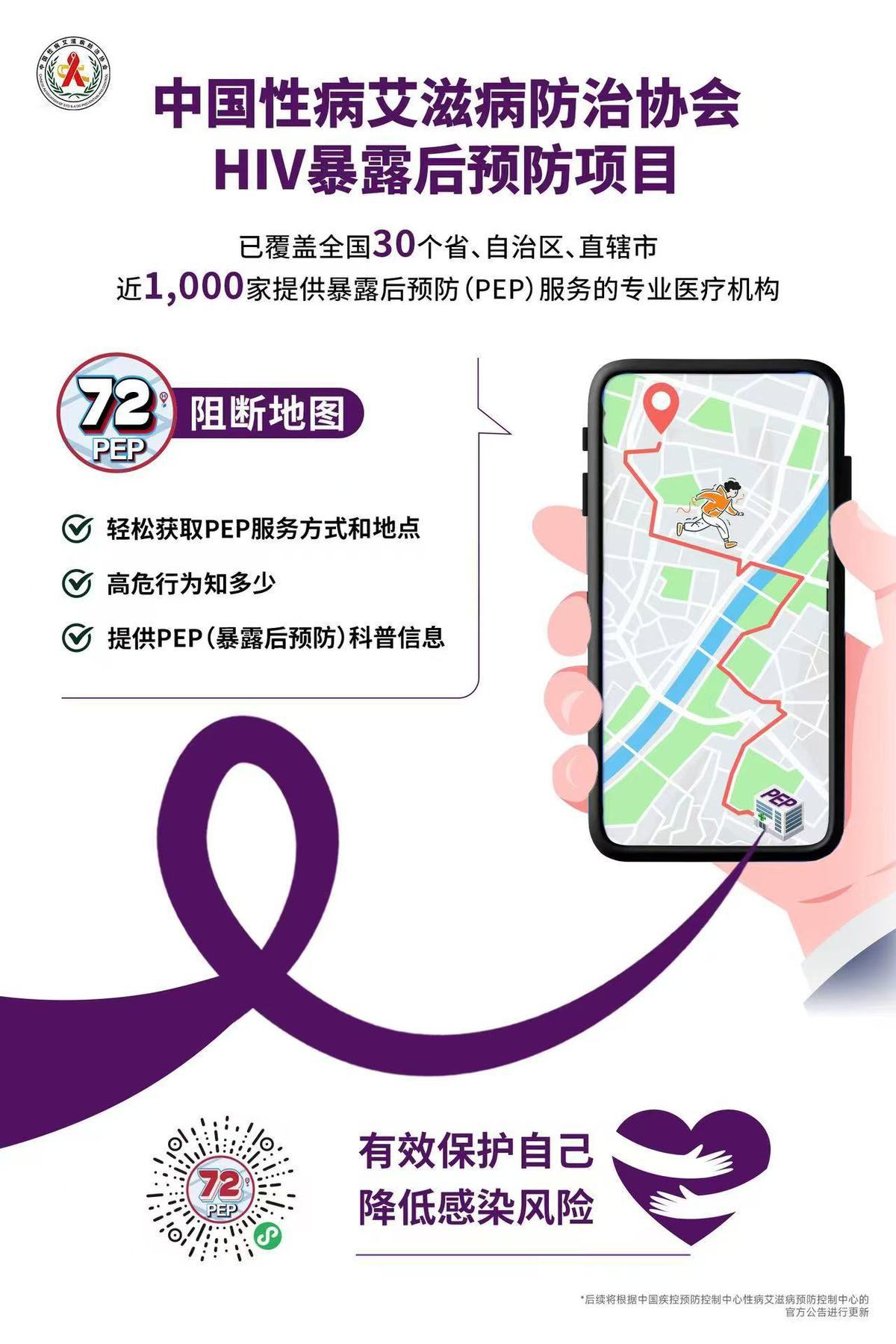
The third line is post-exposure prophylaxis. When taken within 72 hours after high-risk exposure, this provides a highly effective last line of defense. And for those diagnosed, immediate antiretroviral therapy can suppress viral load to undetectable levels, enabling patients to live healthy, dignified lives while greatly reducing transmission risks. Encouragingly, China's expanding network of nearly 6,000 medical institutions offering standardized HIV services ensures that patients can receive treatment in general hospitals close to home.
China's progress demonstrates what persistent political commitment, scientific rigor and public participation can achieve. But the continued rise of infections among the youth and the elderly should remind us that the fight is far from over. Protecting life must never carry an age limit. Meeting the needs of seniors experiencing loneliness, misunderstanding or stigma is not only a public health necessity — it is a moral responsibility.
By replacing prejudice with understanding, fear with science and indifference with care, China can build an effective defense against HIV/AIDS.