Hong Kong aims to capitalize on National Games









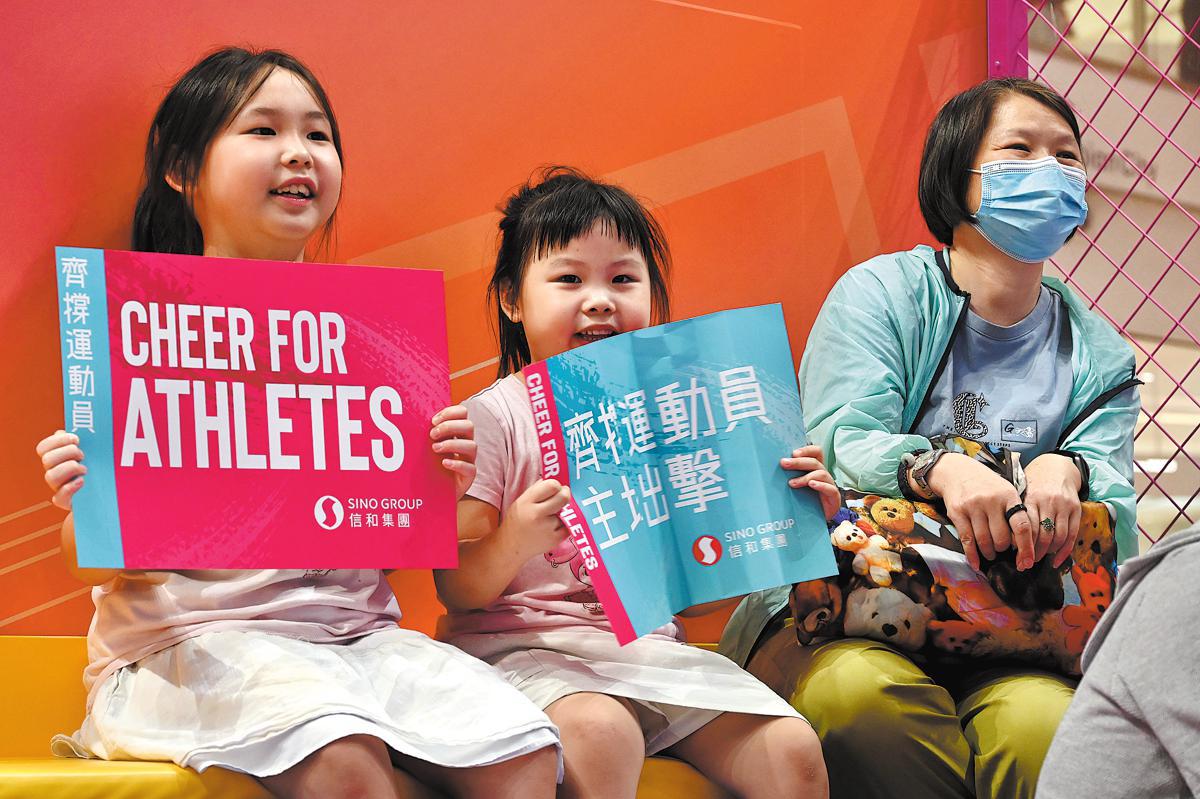
By successfully co-hosting the ongoing 15th National Games, the Hong Kong Special Administrative Region has demonstrated that it has what it takes to evolve beyond the sporting arena, shape strategy and drive long-term momentum to capitalize on the event, experts said.
Sports executives and policy experts called for carrying out institutional groundwork and innovating sports-finance solutions to foster a sustainable sports economy that would benefit the Guangdong-Hong Kong-Macao Greater Bay Area and the country as a whole.
Speaking to China Daily, World Table Tennis CEO Steve Dainton said that Hong Kong ticked all the boxes when it came to "vision, capacity and connectivity to the wider sports economy".
Commenting on the fact that the city has been chosen to host table tennis' season-ending WTT Finals in December, Dainton said: "When you put all of this together — event capability, international appeal, and a city that already thinks in terms of big events — Hong Kong becomes a very natural home for the WTT Finals."
Dainton said he believes that for sports tournaments to generate long-term economic and social value, host cities should be clear about the benefits of hosting, build true collaboration between stakeholders, and focus relentlessly on the quality of experience, especially for fans.
"The encouraging thing about Hong Kong is that many of the fundamentals of a sustainable sports-events ecosystem are already present," Dainton noted. "The next step is more about linking them together around a common story."
According to him, there is strong public support for strengthening Hong Kong's role in the mega events economy. "The city has a robust tourism appeal, a strong business community, and a base that already understands sports like table tennis. When those elements are aligned, each major event reinforces the next," he added.
Kenny Shui, vice-president of Our Hong Kong Foundation and executive director of the Public Policy Institute, said the greater spillover and broader impact cannot happen without the SAR government's strategic coordination to align large-scale sports competitions with art and MICE events — meetings, incentives, conferences and exhibitions — in a bundled manner.
Shui highlighted the significance of deeper institutional groundwork. One path, he said, would be to transform the National Games Coordination Office — set up by the Culture, Sports and Tourism Bureau of Hong Kong in 2023 — into a permanent entity to host large-scale multi-sports events.
Leveraging Hong Kong's entrenched status as a world-renowned financial hub, Shui suggested introducing sports-related financial products, such as event rights trading, sports bonds and real estate investment trusts in the city's market, which would allow Chinese mainland investors to access global sports assets with ease.
"Furthermore, the city can serve as a clearinghouse for international sponsorship agreements, athlete endorsements and intellectual property licensing, thereby lowering barriers for Chinese brands entering global leagues," he said.
"Funds raised for major events in Hong Kong can be reinvested into the Greater Bay Area infrastructure, creating a virtuous cycle where sports drives urban development," he added.
As the Chinese sports industry expands its global footprint, Shui said that Hong Kong's robust initial public offering market and private equity channels are valuable platforms for raising capital to support overseas acquisitions and international marketing. Leading brands such as Anta and Li-Ning have already leveraged Hong Kong as a springboard for international growth — from mergers, overseas retail expansion to sponsorships.
Chi Sum Li, head of government and public sector in Hong Kong for KPMG China, noted the city's unique value in "soft infrastructure", including international standards, IP protection and global connectivity.
"It can drive the regional sports economy by coordinating standards, facilitating cross-border collaboration for sports tech, and supporting the development of a sports brand of the Greater Bay Area for international promotion," Li said.
sophialuo@chinadailyhk.com




- Hong Kong aims to capitalize on National Games
- Woman with pink nail polish versus wild — and both win
- Education on legal matters strengthened
- Henan retailer's reparation policy fosters workers' rights
- Shanghai offers blueprint for waterfront renewal
- University licenses smart fish feeding system for 20 million