



Nankai University scholar publishes long-lost Latin translation of Tao Te Ching
By Yan Dongjie in Tianjin |
chinadaily.com.cn |
Updated: 2025-11-13 16:38


Share



Share - WeChat




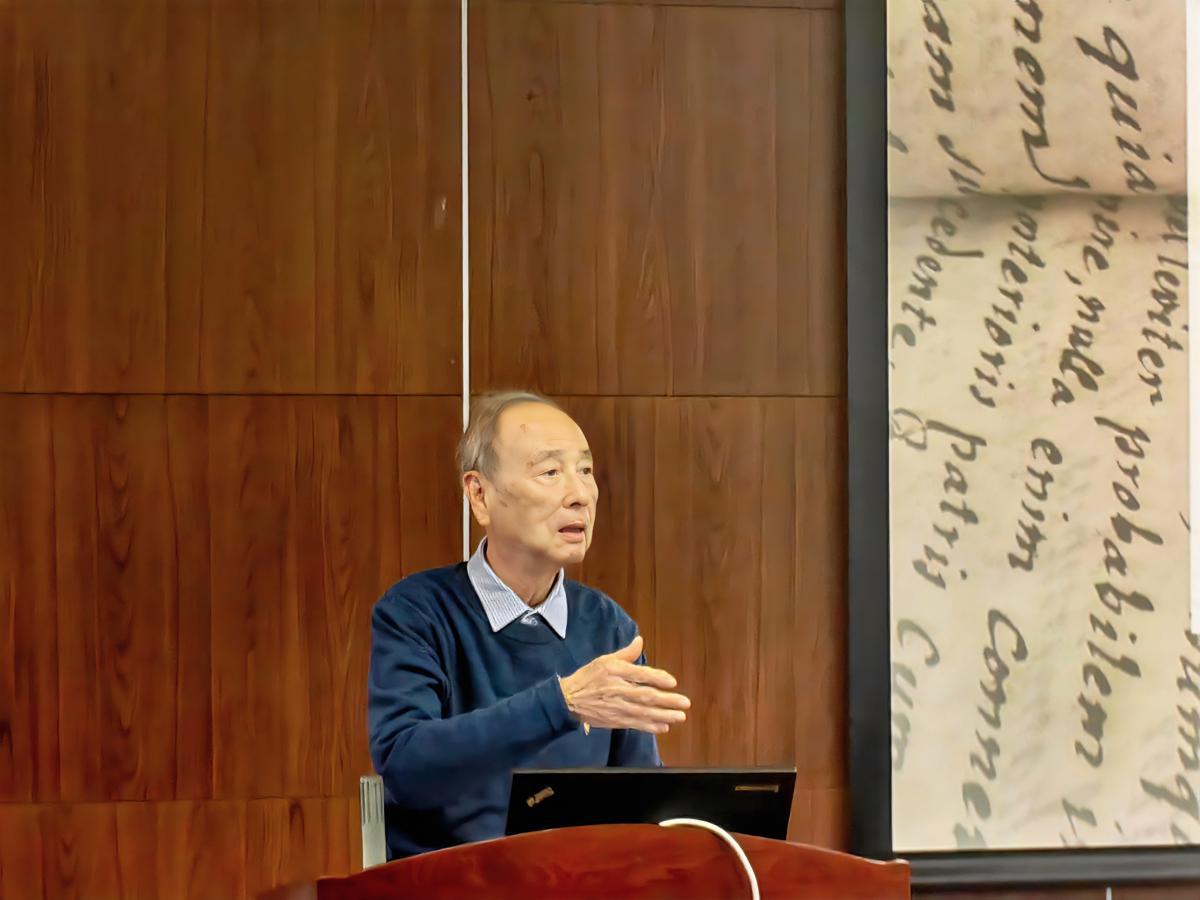
When discussing why the Tao Te Ching has become a shared intellectual resource across cultures, Tadd said, "Compared to the Analects, which is rooted in the specific ritual norms of the social structure during the Spring and Autumn Period (770-476 BC), the Tao Te Ching does not involve specific names, places, or social systems. Instead, it revolves around universal principles such as Dao (the way), nature, and non-action." This characteristic allows it to transcend specific cultural contexts and directly address common human concerns across different civilizations.
Liu Yuanqing contributed to this story.


- Seven dead, 12 hurt as vehicle rolls over in Yunnan
- Purple sea of?catnip flowers?blooms in Shandong town
- 'Blue tears' turn Fuzhou's beaches fluorescent
- China-made marine-derived antitumor drug to begin combination therapy trials soon
- Wild apple trees create a poetic spring landscape in Xinjiang
- Tianjin town plays leading role in global instrument trade





