



Berlin's China policy review should aim for objectivity and pragmatism









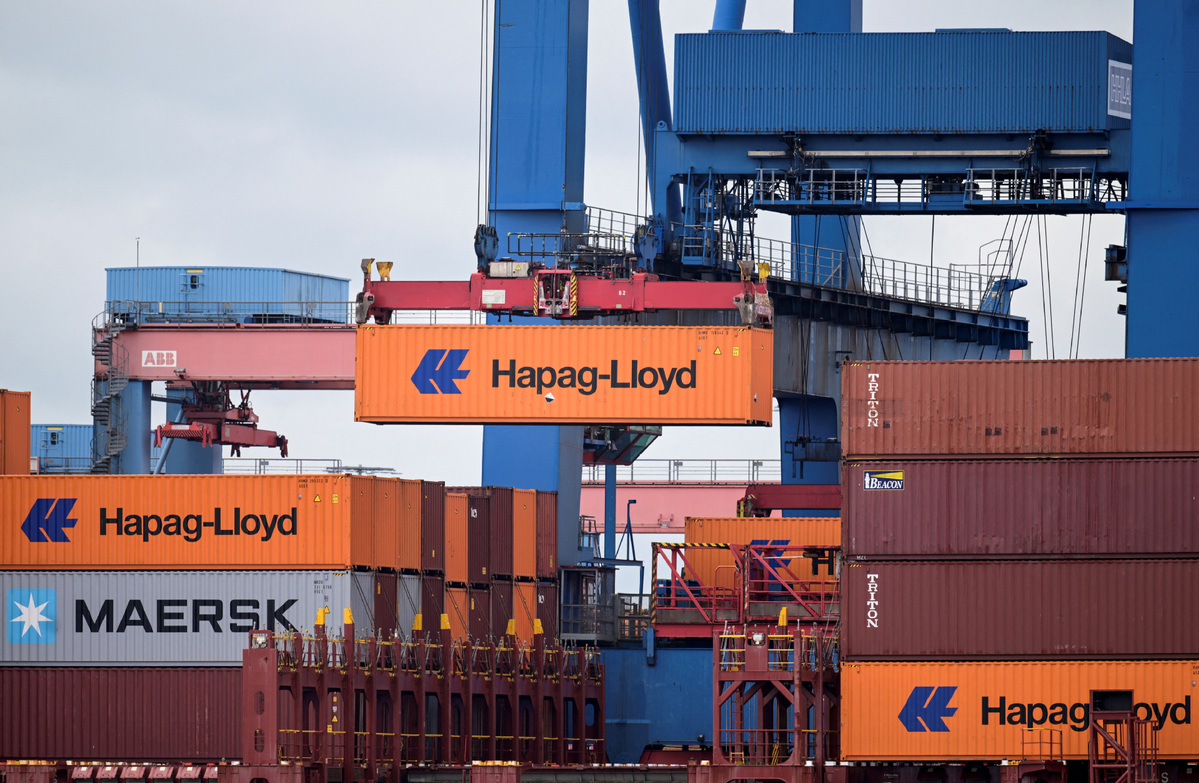
The German government's plan to reexamine its trade policies toward China through the establishment of a parliamentary expert committee shows its awareness that its China policy needs some changes.
The initiative — which will assess Germany's trade relations with China in areas such as energy, raw material imports and investment in critical infrastructure — is indicative of the broad common interests of the two major economies.
It is hoped that this move will enable the Friedrich Merz government to grasp the cooperative and mutually beneficial nature of Sino-German relations, and lead to a more rational, coherent and pragmatic China policy.
For decades, China and Germany have maintained a strong economic partnership built on mutual respect and shared benefits. From 2016 to 2023, China was Germany's largest trading partner and data from January to August this year show China has overtaken the United States to regain that position. While this underscores that the foundation of Sino-German cooperation remains solid, Berlin's recent policy debates risk undermining that foundation.
The current wave of skepticism toward China in Germany is driven less by genuine economic realities and more by shifting political narratives — particularly those influenced by Washington's tariff war with Beijing, the ongoing Ukraine crisis and the European Union's "de-risking" rhetoric targeting China. While it is natural for Germany to assess its economic risks, such assessment must not be driven by exaggerated concerns or external political pressure.
German Chancellor Merz's recent remarks calling for protectionist measures to defend Europe's steel industry, and Foreign Minister Johann Wadephul's statements about systemic competition with China, signal a worrying departure from Germany's traditional free-trade principles and will only harm the competitive strength of German industries that have long benefited from cooperation with China. Moreover, Wadephul's mischaracterization of China's policies, including some of his irresponsible remarks on the Taiwan question, risks eroding mutual trust and damaging the political atmosphere necessary for sustained cooperation.
China and Germany may differ in their historical experiences, cultures and social systems, but that should not be an obstacle to better trade ties. As Chinese Foreign Minister Wang Yi emphasized during his recent phone call with Wadephul, at the request of the German side, the key lessons from the development of China-Germany relations are mutual respect, win-win cooperation and partnership positioning. Both sides should enhance communication and dialogue, dispel misunderstandings, and avoid "microphone diplomacy" and groundless accusations.
Wang's message carries an important reminder that China has always supported Germany's reunification and Berlin, having experienced the pain of national division, is expected to understand and support China's efforts to safeguard its sovereignty and territorial integrity. The one-China principle therefore remains the cornerstone of political trust between the two sides.
The new expert committee that it plans to set up is expected to provide the Merz government with more valuable and objective reference on a long-term consistent direction of Germany's China policy. It is advised that Germany should demonstrate its due independence in policymaking, rather than being influenced by external factors.
Berlin should review its China policy with a mindset guided by facts rather than ideology, and cooperation rather than confrontation. That will be conducive to the healthy development of Sino-German relations along a path of mutual respect, mutual benefit and shared progress.





